The Camino de Santiago is a powerful experience. Many walkers remember it for the quiet moments, shared effort, and pride of reaching Santiago. The Camino is often considered a place to go if you are searching for answers or a challenge, but it also offers a wonderfully rewarding and adventurous experience for families.
Walking the Camino de Santiago with kids can be a transformative experience filled with opportunities for learning, bonding, and creating lifelong memories. Still, careful planning and practical support help make the walk successful and enjoyable for every family member.

Camino de Santiago Basics For Families
Before jumping into the specifics of travelling with children, let’s make sure we’re on the same page regarding the basics of the Camino de Santiago.
There are several routes, the most popular of which is the Camino Francés, which starts in St. Jean Pied de Port in France and spans approximately 780 kilometres to Santiago de Compostela. Other notable routes include the Camino Portugués, Camino del Norte, and Camino Primitivo, varying in distance and difficulty.
Some do it in one fell swoop, while others opt for smaller, more manageable sections. U Walk offers Camino de Santiago walking holidays along the entire stretch of the Camino Francés and the final two sections of the Camino Portugués.
Many U Walk Camino sections are manageable with basic fitness, especially when you choose the right distance and pace for your family.
Which Camino Route Works Best for Families?
The best Camino route for your family depends on your children’s ages, walking experience, and how many days you want to spend on the trail.
Camino Francés Stages
This is the most well-trodden path, with abundant facilities and a supportive pilgrim community. Due to the availability of accommodations and services, it’s ideal for families.
The Camino Francés is a long road, so there’s plenty to choose from. Camino Francés Stage 1 climbs up and over the mighty Pyrenees, making it a challenging but electrifying start, while Camino Francés Stage 2 and Camino Francés Stage 3 offer relatively easy walks through stunning countryside before you hit the hills further West.
The popular Sarria to Santiago stretch on the Camino Francés is another family favourite because it covers the final stretch into Santiago and can meet the 100 km walking requirement for the Compostela when planned correctly.
If you and your children want to experience the dramatic entrance into Santiago, consider choosing the Camino Francés final stage that leads into the hallowed city.
Camino Portugués
Starting in Portugal, this route is shorter and flatter, especially the final two sections that U Walk covers, making it more manageable for younger children.
U Walk offers two sections here: Porto to Tui, which leads from Porto to the Spanish border, and Porrino to Santiago, from the border into Santiago. Both are very mellow, easy-going walks with plenty of sea and sand thrown in.
Daily Distance by Age and Ability
Whichever route you choose, be aware that distances can sometimes be long on the Camino, with some stages up to 26 km on the Camino Francés. You need to ensure your children can handle such distances before booking anything.
For younger or less experienced walkers, aiming for 10-15 km per day is a sensible starting point, with shorter stages allowing age and ability to guide the pace.
Best Time of Year to Walk the Camino with Children
Spring (April to June) and Autumn (September to October) are the best times to walk the Camino with children.
These months are usually the best time to walk the Camino de Santiago with children because temperatures are milder and the routes are often less crowded than in peak summer.
School holidays will shape your dates, so a half-term trip in spring or autumn is often more comfortable than peak summer, when temperatures can rise quickly.
Preparation and Training
- Training Walks: Begin training for the Camino de Santiago several months before departure. Gradually increase the distance and difficulty of your walks to build stamina and prepare children for long-distance walking.
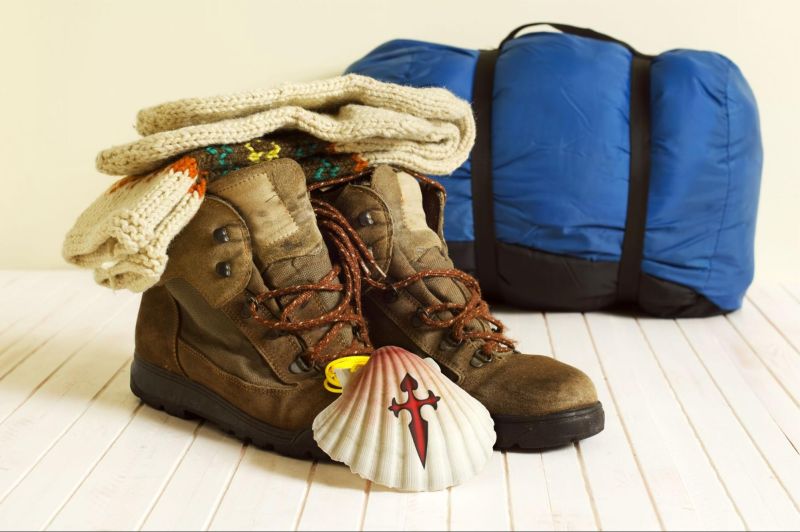
- Backpack Training: Practise walking with loaded backpacks. Children should carry a small, lightweight pack with essentials like water, snacks, and a rain jacket. U Walk will move your main luggage daily, so you don’t need to worry about your big bags, but small backpacks are important.
Mental Preparation
- Set Expectations: Explain the walk to your children, emphasising the adventure, new experiences, and potential challenges. Engage them in the planning process to build excitement and commitment. Print off a good map and get them involved by showing them the route and what they’ll see on the way.
- Storytelling: Share stories about the Camino’s history and significance. Books, documentaries, and online resources can help children learn about and appreciate the route.
Packing and Comfort Items
- Footwear: Invest in quality, well-fitted hiking boots or shoes for everyone. Ensure children have worn them in during training walks to avoid blisters. If you’re unsure what to choose, our guide to the best shoes for the Camino can help.
- Clothing: Pack lightweight, moisture-wicking clothing. Layering is key to adjusting to varying weather conditions. For sun protection, remember hats and sunglasses.
- Backpacks: Choose comfortable, adjustable backpacks with good support. Keep them as light as possible, carrying only essentials.
- Entertainment: Pack small, lightweight items like a journal, colouring book, or favourite toy to keep children entertained during breaks.
- Comfort Items: A favourite blanket or stuffed animal can provide comfort and security in unfamiliar surroundings.
- First Aid Kit: Include child-specific items like band-aids with fun designs, antiseptic wipes, and any necessary medications.
Travelling with Toddlers and Infants
If you’re travelling with very young children, talk to us before booking so we can help you choose flatter sections and advise on baby carriers, buggies, and daily distances.
On the Trail
- Start Early: Begin walking early in the morning to take advantage of cooler temperatures and avoid the midday heat. If you find yourselves out around noon, consider a long lunch (with an optional snooze under a tree) before setting off again once the temperatures begin to dip again.
- Frequent Breaks: Plan regular breaks for rest, snacks, and hydration. Children have shorter endurance, so listen to their needs and adjust accordingly.
Engage and Motivate
- Games and Challenges: Create fun games and challenges, like scavenger hunts or counting landmarks. This keeps children engaged and motivated.
- Involve in Navigation: Involve children in navigation. Let them help read maps or look for waymarkers, and give them a sense of responsibility.
Health and Safety
- Hydration and Nutrition: Ensure everyone stays hydrated and fuelled with regular snacks and meals. Carry plenty of water and encourage frequent sips.
- Blister Prevention: Check your feet regularly for hot spots and blisters. Use blister pads or tape to prevent and treat them.
- Sun Protection: Apply sunscreen regularly and ensure children wear hats and sunglasses.
Accommodations and Logistics
U Walk arranges family-friendly hotels or B&Bs with breakfast, moves your main luggage each day, and stays available if you need support along the route.
Rest days and Luggage Transfers
- Rest Days: If possible, plan occasional rest days in larger towns or cities. This gives children a chance to recuperate and explore.
- Luggage Transfer: You won’t have to worry about larger bags; we’ll transport them ahead and have them waiting for you at your next destination.
Emergency Planning and On-Route Support
Have a contingency plan for emergencies. Know the location of medical facilities along your route and carry a mobile phone with emergency contacts.
We also provide on-route assistance, so you have real support if plans change or an issue comes up.
Cultural and Educational Opportunities
- Local Cuisine: Encourage children to try local foods and delicacies. This can be a fun and educational experience, expanding their culinary horizons. From Galician empanadas to freshly baked bread from local bakeries, there’s plenty to tempt young taste buds along the way.
- Historical Sites: Visit historical and cultural sites along the way. Many routes pass through towns with significant landmarks, cathedrals, and museums.
- Nature Studies: Use the walk as an opportunity for nature studies. Identify plants, animals, and geographical features. Bring a small field guide or use apps for identification.
- Language Learning: Practise basic Spanish phrases and greetings. Engaging with locals in their language can be a rewarding experience and enhances cultural immersion.
Reflecting and Bonding
- Daily Journals: Encourage children to keep a daily journal of their experiences. This helps them reflect on their walk and creates a lasting memento.
- Family Discussions: Discuss the day’s experiences, challenges, and highlights regularly. This builds a sense of unity and shared accomplishment.
- Celebrate Achievements: Celebrate the completion of your Camino with a special meal or activity.
Collecting Pilgrim Passport and Maintaining Connections
Each family member can collect Camino passport stamps along the way, and upon arriving in Santiago, they can receive a certificate of completion, a wonderful keepsake for children to treasure.
Reflect on the personal growth and accomplishments of each family member. Stay in touch with fellow pilgrims met along the way. The Camino community is a supportive network; maintaining these connections can be rewarding.
Why Walking the Camino with Children Is Worth It
Walking the Camino de Santiago with children is a unique and rewarding adventure that offers countless opportunities for learning, bonding, and personal growth.
With the right route, realistic daily distances, and handled-for-you logistics, the Camino can feel exciting rather than overwhelming for families.
If you’d like help planning a family-friendly itinerary, talk to the U Walk team, and we’ll help you choose the route and pace that works best for your children.