

Walking the Camino de Santiago in your sixties can feel rewarding because good planning makes the trail more manageable. You can make the walk feel achievable when you choose shorter daily stages and train well in advance. We book your comfortable hotels with breakfast, transfer your main bag, and offer support if you need us.
Brief overview:
- Choose short walking days on popular routes like the Camino Francés from Sarria or the Portuguese Way from Tui.
- Read our ten practical tips below to prepare physically and pack correctly for your walk.
- We transfer your main bag up to 20 kg between pre-booked accommodations every day.
- Wear broken-in boots with merino wool socks to prevent painful blisters.
- Carry a credencial to collect stamps and earn your Compostela at the finish line.
- Call our U Walk team on 0818 333 990 to discuss flights and transfers from Dublin.

Is the Camino de Santiago Suitable for Over 60s?
It’s never too late, and you’re never too old. Walking the entire length of Camino de Santiago, or at least a small section, has long been a dream that’s captivated many. Sadly, like many dreams, grand ideas like the Camino are often put to one side as the business of life takes hold.
The next thing you know, you’re on the wrong side of 60, the kids left home years ago, and you now keep telling yourself, ‘It’s probably a bit too late now, right?’
Nonsense. Many walkers in their 60s and beyond choose Camino routes each year. It’s never too late to lace up those boots and fulfil a dream. Here are ten Camino tips for over-60s to help you tackle the Camino successfully.
1. Choose the Right Route & Time
The Camino de Santiago offers several routes, each with its own difficulty level. The Camino Francés is the best-known route and is well-marked, with a good mix of terrain and walker services.
Shorter Routes Worth Considering
Shorter walking days are easier to manage on the Camino Francés from Sarria or the Camino Portugués from Tui, and the Sarria to Santiago option is a good fit for walkers who want a gentler final stage.
For those seeking a less crowded experience, the Camino Portugués might be more appealing. Choose a route that suits your fitness level and preferences.
Seasonal Timing and Weather Gear
Choosing the right time is as important as choosing the right route. Summer in Spain can be sweltering, putting a strain on even the youngest walkers out there.
Spring and autumn tend to provide an excellent middle ground with lower numbers on the trails and temperatures that don’t roast Irish skin. Pack a poncho or rain jacket regardless of the season, as conditions can change quickly.
2. Prepare Physically
Good preparation helps you enjoy the Camino. Start a regular walking regimen several months before your departure. For a structured approach, our training for the Camino de Santiago guide breaks the build-up into manageable steps.
Gradually increase the distance and terrain difficulty to build stamina. Include some weight training to strengthen your muscles, mainly focusing on your legs and core. Add stretching, yoga, or Pilates to your routine to help with flexibility and balance.
Training With Your Day Pack
Don’t forget to practise with a backpack to simulate the actual walking conditions. When walking with U Walk, we transfer your main bag (up to 20 kg) from accommodation to accommodation, so you only need a small day pack for daily essentials. It might not be too heavy, but if you’re not used to walking with it, it’ll pay to put in some training.
Experiencing the Camino at Your Own Pace
Maybe you have spent years putting the Camino de Santiago on the back burner, wondering if the window for long-distance walking has closed. On the Camino Francés, a sensible pace can make each day feel doable.
Because we transfer your main bag between pre-booked accommodations, you only carry a light day pack with your daily essentials. Your day can feel simple and settled:
- Morning: You start after breakfast, wearing well-broken-in boots and merino wool socks to help prevent blisters.
- Midday: You walk a comfortable 15 km, stop to stamp your pilgrim passport, and take time for a coffee.
- Evening: You arrive at your hotel, stretch your legs, and share stories with new friends over local food.
With the right preparation and a steady pace, walking the route can feel well within reach.

3. Pack Well
Having U Walk support behind you adds reassurance if an emergency comes up, but it’s still important to carry the items you need during the day. Don’t forget personal items like medications, a first aid kit, and important documents.
Carry cash in small bills alongside your cards, and consider a money belt or hidden pouch for added security. If there are specific items that will make your walk easier, such as poles, make sure they’re in the bag before you leave.
4. Stay Hydrated and Well-Nourished
Staying hydrated on the Camino and having proper meals matter, especially for older adults. Carry a refillable water bottle and drink regularly, even if you don’t feel thirsty.
Pack energy-boosting snacks like nuts, dried fruits, and granola bars. Enjoy the local cuisine, but ensure you eat balanced meals to keep your energy levels up throughout the day.
5. Take It Slow and Steady
The Camino is not a race. A steady pace helps you enjoy the route. Listen to your body and pace yourself. Take regular breaks, especially if you feel tired or sore.
Many over–60 pilgrims find that walking shorter distances each day, around 15-20 kilometres, is manageable and allows for a more enjoyable experience. You’ll want to be clear about the length of each stage before choosing which section to tackle.
Pre-Booked Accommodation and Rest Days
We pre-book your accommodation, so you know where you’ll stay at the end of each walking day.
Your package includes breakfast and daily luggage transfer, which helps the route feel more settled and manageable. Rest days can be added to your schedule to recover and explore local towns.
6. Invest in Good Footwear
Your feet are your most important asset on the Camino. For help choosing the right pair, read our guide to the best walking shoes for the Camino de Santiago.
Invest in high-quality, comfortable walking shoes or boots. They should be well broken in before you start your route. Consider bringing a second pair of lightweight shoes for evenings.
Socks, Blisters and Blister Prevention
Wearing merino wool socks can help reduce friction and keep feet dry, lowering the risk of blisters. Blisters are common, so knowing how to avoid blisters and treating any hot spots immediately can prevent them from worsening.
7. Stay Connected and Safe
Ensure you have a mobile phone with international roaming or a local SIM card for emergencies and to keep in touch with family. Share your itinerary with someone back home and check in regularly.
If you feel more comfortable, walk with a companion or join a group for added safety and camaraderie. Every accommodation U Walk uses has Wi-Fi, so you can stay connected easily.
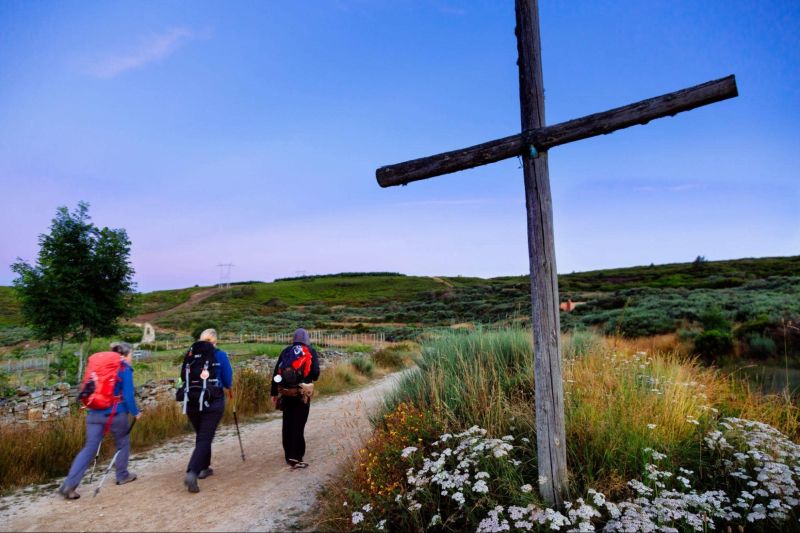
8. Embrace the Social Aspect
One of the most memorable parts of the Camino is the social side. You’ll meet people from all over the world, each with their own story and reason for walking. Be open to making new friends and sharing your experience.
The communal spirit can provide emotional support and create lifelong memories. We all know that making new friends as you get older is often harder, but striking up a new friendship on the Camino is about as easy as it gets.
9. Take Care of Your Health
Before you start the Camino, visit your doctor for a check-up to ensure you’re in good health. Discuss any pre-existing conditions and how to manage them while on the trail.
Carry sufficient medications and know how to get refills if necessary. If you have any concerns while walking, don’t hesitate to seek medical advice. Many towns along the Camino have pharmacies and medical facilities.
10. Enjoy the Experience
Finally, savour every moment of your Camino experience, and don’t spend any longer than necessary fretting that you are an over-60s club member tackling the Camino de Santiago. Just go for it, and enjoy it.
Take in the stunning landscapes, historical sites, and local culture. Reflect on your walk and the personal growth it brings. Journaling along the way can deepen that sense of reflection, helping you process the experience as it unfolds.
You may be walking for spiritual reasons, a personal challenge, or simple curiosity. The Camino gives you space to think, reset, and feel proud of what your body can do.
Extra Tips for Irish Walkers on the Camino
Language: While many Spaniards along the Camino speak some English, learning a few basic Spanish phrases can make day-to-day chats easier.
Weather Considerations: Ireland’s weather can be quite different from Spain’s. Be prepared for varying conditions, especially if walking during the summer months when it can get quite hot.
Travel Logistics: U Walk can help you shape the travel plan that fits your route, including flights from Dublin and onward transfers where available. Airline schedules can change, so speak with our Camino specialists on 0818 333 990 before you book. We can help you match the route, dates, flights, transfers, documents, and insurance to your Camino plans.
Your Credencial and Compostela Certificate
Carry your pilgrim passport, also called a credencial, from the start of your route. You’ll collect stamps along the way and can check the official Pilgrim’s Reception Office credencial guidance before you travel. Receiving your Compostela certificate in Santiago is a proud final moment for many pilgrims.
Never Too Old
Walking the Camino de Santiago is a memorable achievement at any age. For those over 60, it can feel rewarding and achievable with the right preparation, route choice, and support.
Take the challenge at your own pace, enjoy the experience, and talk to our team if you’d like help choosing our Camino walking holidays. ¡Buen Camino!


