

The Camino de Santiago is a world-famous walking route across Spain leading to the cathedral of Santiago de Compostela. This ancient UNESCO World Heritage Site blends a thousand years of history with vibrant local culture.
We make walking this iconic path simple. As a 100% Irish owned walking holiday company, we plan your Camino with local insight and care so you can focus on the walk itself.
Key takeaways:
- Follow the famous yellow arrows and scallop shells along this UNESCO World Heritage route.
- Read about the different paths to find the right starting point for your walk.
- Walkers with different fitness levels can choose a suitable route, while we arrange hotels with breakfast, daily luggage transfers, and support.
- Taste regional foods from Basque pintxos to Galician seafood as you cross northern Spain.
- See stunning artistic heritage, including Gothic cathedrals and Romanesque churches.
The Camino de Santiago is one of the most famous pilgrimage routes in history and is also known as the Way of St. James. This ancient path, which leads to the shrine of the apostle Saint James the Great in the cathedral of Santiago de Compostela in northwestern Spain, has attracted pilgrims for over a thousand years.
Today, those who walk the Camino enjoy an incredible experience rich in history, spirituality, and culture. It offers an unparalleled experience, weaving together the past and the present, the sacred and the secular. A walk you’ll remember for the rest of your life.
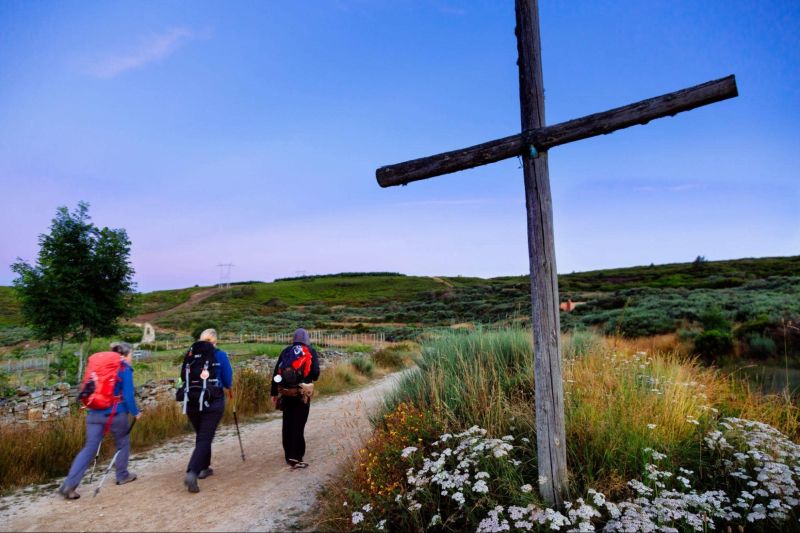
Historical Origins
The origins of the Camino de Santiago date back to the early 9th century. According to tradition, the tomb of Saint James was found around 820 near what became Santiago de Compostela. Bishop Theodemar of Iria is traditionally associated with the find.
From the First Church to Pilgrimage Tradition
King Alfonso II of Asturias and Galicia was the first pilgrim to visit the site and ordered the construction of a church to house the relics. This marked the beginning of the pilgrimage tradition.
Medieval Growth and Peak Centuries
The history of the Camino de Santiago grew throughout the Middle Ages, becoming one of the three major Christian pilgrimages, alongside those to Jerusalem and Rome. Pilgrims from all over Europe set out on the Camino, motivated by religious devotion, penance, or the promise of indulgences.
The pilgrimage peaked during the 11th and 12th centuries when the construction of infrastructure, such as bridges, hospitals, and monasteries, supported the influx of travellers. This growth increased cultural exchange because pilgrims carried ideas, art and knowledge across Europe.
The Routes
There are several routes to Santiago de Compostela, each with its unique history and cultural significance.
Camino Francés – The Classic Path
The most popular route is the Camino Francés, which starts in Saint-Jean-Pied-de-Port in France and crosses the Pyrenees into Spain. This 800-kilometre path passes through key cities such as Pamplona, Burgos, and León, giving pilgrims varied scenery and historical sites.
Other Major Routes Worth Knowing
Other notable routes include the Camino del Norte, which follows the northern coast of Spain; the Camino Primitivo, the original way King Alfonso II took; the Camino Inglés, which starts in Ferrol or A Coruña in northern Galicia; and the Camino Portuguese, which begins in Lisbon or Porto. Each route provides a different perspective on the regions it traverses, showcasing Spain’s varied geography and cultural heritage.
How Far Do You Need to Walk to Receive the Compostela?
To receive the Compostela on foot, you must walk at least 100 continuous km on one recognised route into Santiago for religious or spiritual reasons and collect the required credencial stamps. Many walkers begin in Sarria on the Camino Francés.
What Is the Cultural Significance of the Camino de Santiago?
The Camino de Santiago’s significance extends far beyond a physical walk because it is also a cultural and spiritual experience. The pilgrimage is a wonderful blend of traditions, languages, and customs that reflect the diverse history of the Iberian Peninsula. Along the way, pilgrims encounter Romanesque churches, Gothic cathedrals, and medieval bridges, each telling a story of the past.
Pilgrim Symbols and Shared Traditions
One of the most striking features of the Camino is the sense of community among pilgrims. Regardless of their background or motivation, pilgrims share a common goal and often form strong bonds with one another.
The tradition of greeting fellow pilgrims with “Buen Camino” (Good Way) exemplifies the camaraderie and mutual support that characterise the walk.
Personal Transformation on the Path
The pilgrimage can also spark personal change. Many pilgrims choose the Camino to seek spiritual growth, personal reflection or a break from daily routine.
The physical challenge of walking long distances, combined with the solitude and beauty of the landscape, often leads to profound inner experiences and a renewed sense of purpose.
Trading Your Daily Routine for a Historic Path
You sit at your desk staring at another full inbox, craving a break from endless screen time. Seeking an escape with deep cultural roots, you want a meaningful experience rather than a standard beach holiday. Picture yourself following the iconic yellow arrows and scallop shell symbols along a UNESCO World Heritage route.
Instead of rushing to meetings, your daily goal involves walking ancient paths toward the Cathedral of Santiago de Compostela to visit the resting place of St. James the Greater. Since we handle the heavy lifting, planning a long walk feels effortless.
We book your welcoming hotels and arrange daily baggage transfers. Our 5-day Camino Francés final stage covers 115 km from Sarria to Santiago, with hotels, breakfasts and daily bag transfers arranged for you.
Each morning means waking up to a hearty breakfast before stepping out onto the trail. Reaching the magnificent Praza do Obradoiro brings a profound sense of achievement. If the botafumeiro is in use during your visit, seeing it swing through the cathedral adds another memorable moment.
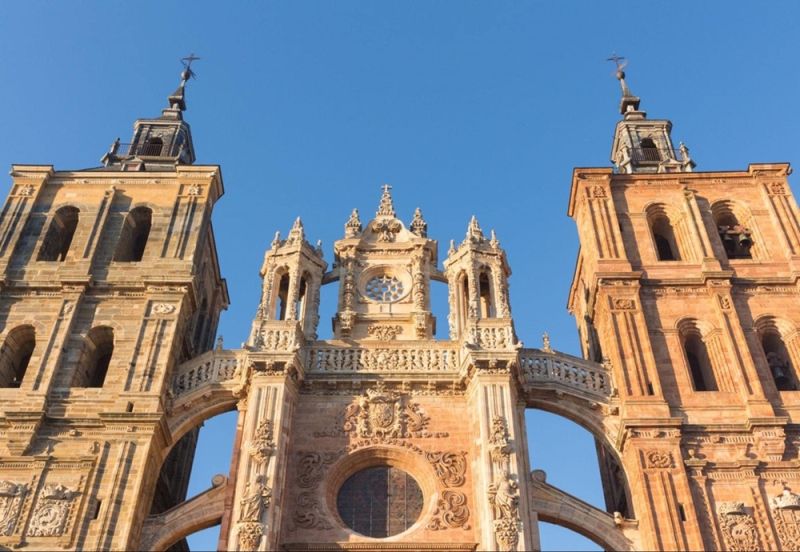
Artistic and Architectural Heritage
The Camino de Santiago is a living museum of art and architecture. The route is dotted with numerous historical landmarks that showcase the artistic achievements of different periods.
Roncesvalles to León – Gothic and Romanesque Gems
In Roncesvalles, the Collegiate Church of Santa María, with its Gothic architecture, stands as a testament to the pilgrimage’s medieval roots.
Further along the Camino Francés, the Cathedral of Burgos is a masterpiece of Spanish Gothic architecture. Its intricate facades, towering spires, and stunning stained glass windows leave a lasting impression on visitors.
In León, the Basilica of San Isidoro is another architectural gem, renowned for its Romanesque frescoes and the Royal Pantheon, often referred to as the “Sistine Chapel of Romanesque Art”.
Arriving at the Cathedral of Santiago
As pilgrims approach the city, they encounter the Cathedral of Santiago de Compostela, the final destination of the pilgrimage. This magnificent structure, with its Baroque façade and Romanesque interior, is the crowning glory of the Camino.
The cathedral houses the relics of Saint James, and the botafumeiro, a giant thurible, is swung during special Masses, filling the cathedral with incense.
What Does the Pilgrim Experience on the Camino Look Like?
Walking the Camino de Santiago is a unique and transformative experience. Pilgrims, known as peregrinos, come from all over the world, each with their own reasons for making the walk to Santiago.
Some seek spiritual enlightenment, while others are drawn by the route’s historical and cultural allure. The modern pilgrimage is a blend of tradition and contemporary life, with pilgrims of all ages and backgrounds walking side by side.
Preparation and the Pilgrim Credential
Training for the Camino involves both physical and mental readiness. Pilgrims typically carry a backpack with essential items, including sturdy footwear, weather-appropriate clothing, and a Pilgrim Passport (credencial).
The Pilgrim Passport is stamped at various points along the route and serves as proof of the walk, allowing pilgrims to receive the Compostela certificate upon arrival in Santiago.
Daily Life on the Trail
The daily routine of a pilgrim varies, but it often includes early morning starts to take advantage of cooler temperatures. Pilgrims walk at their own pace, covering distances that range from 20 to 30 kilometres per day.
Our guide to seasonal changes on the Camino explains what weather, trail conditions and crowd levels to expect each month.
Along the way, you stay in comfortable hotels and B&Bs where you can rest, share meals, and exchange stories with fellow travellers. With U Walk, we line up every stay in advance, so you can simply arrive, relax, and recharge for the next day on the trail.
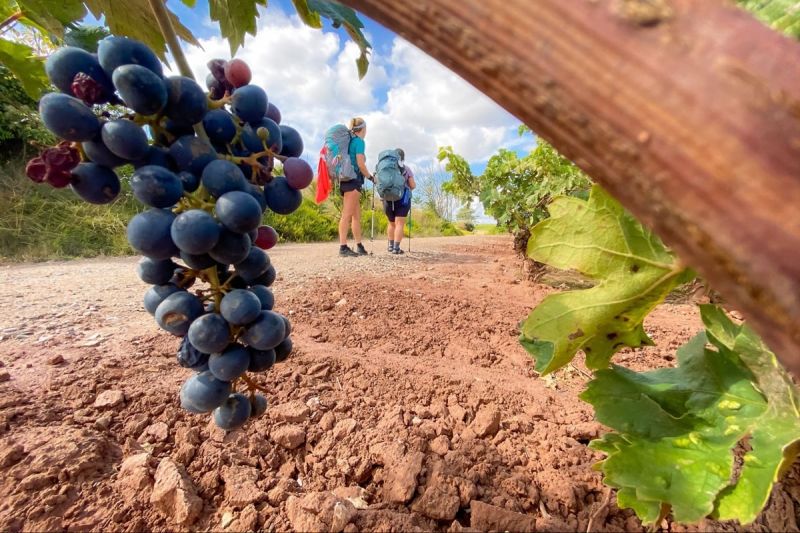
Food and Drink Along the Camino Francés
For those walking the Camino Frances, a culinary delight awaits.
Basque Country to Castilla y León
Starting from the French Pyrenees and moving westward, pilgrims first encounter the cuisine of the Basque Country and Navarre. In these regions, pintxos (small snacks typically enjoyed in bars) are a culinary highlight.
These bite-sized delights include Gilda (a skewer of olives, anchovies, and pickled peppers) and various types of croquettes filled with ham, cheese, or fish. A visit to Pamplona might include tasting the famous chistorra (a type of fast-cured sausage) and pimientos del piquillo (roasted red peppers).
La Rioja and Castilla y León flavours
As the walk continues into La Rioja, a region renowned for its wine, pilgrims can indulge in hearty stews and soups, such as patatas a la riojana (potatoes with chorizo and paprika). The cuisine here is deeply intertwined with the region’s winemaking heritage, and dishes are often accompanied by a glass of full-bodied Rioja wine.
Tapas bars in towns like Logroño offer a variety of small dishes, including tortilla de patatas (Spanish omelette) and bacalao a la riojana (salt cod in a tomato and pepper sauce).
Entering Castilla y León, the scenery and the cuisine change dramatically. Known for its vast plains and historical cities like Burgos and León, this region offers rustic and filling dishes. Morcilla de Burgos (blood sausage with rice) is a must-try, as is cecina (cured beef) from León. The local soups, such as sopa castellana (Castilian garlic soup with bread and poached egg), provide warmth and nourishment for weary pilgrims.
Galician Cuisine at the Camino’s End
As pilgrims approach Galicia, the final destination, the cuisine becomes distinctly different. This coastal region is famed for its seafood. In Santiago de Compostela, the seafood dishes are fresh and flavourful, with pulpo a la gallega (Galician-style octopus) being a standout.
This dish is typically served on a wooden platter, sprinkled with coarse salt and paprika, and drizzled with olive oil. Empanada gallega (Galician pie filled with meat, fish, or vegetables) is another traditional favourite, showcasing the region’s culinary ingenuity. It’s a good thing you are walking so far every day!
How Has the Camino de Santiago Grown in Modern Times?
In recent decades, the Camino de Santiago has experienced a remarkable revival. In the 1980s, fewer than a thousand pilgrims completed the walk each year. Today, the number has soared to hundreds of thousands annually. This resurgence can be attributed to several factors, including increased global awareness, improved infrastructure, and the Camino’s portrayal in popular media.
Media, Culture and Global Awareness
Books on the Camino de Santiago, films, and documentaries have helped popularise the route. Works such as Paulo Coelho’s “The Pilgrimage” and the film “The Way” have inspired many people to choose the Camino for their own walk. The Camino’s appeal transcends religious boundaries, attracting people of various faiths and backgrounds who seek a meaningful and rewarding experience.
UNESCO World Heritage Recognition
The Camino de Santiago is also recognised as a UNESCO World Heritage Site, highlighting its cultural and historical significance. This designation has helped preserve the route’s heritage and ensure that future generations can continue to experience its unique blend of history, culture, and spirituality.
You can also read how the Camino supports local communities through tourism, employment and heritage preservation.
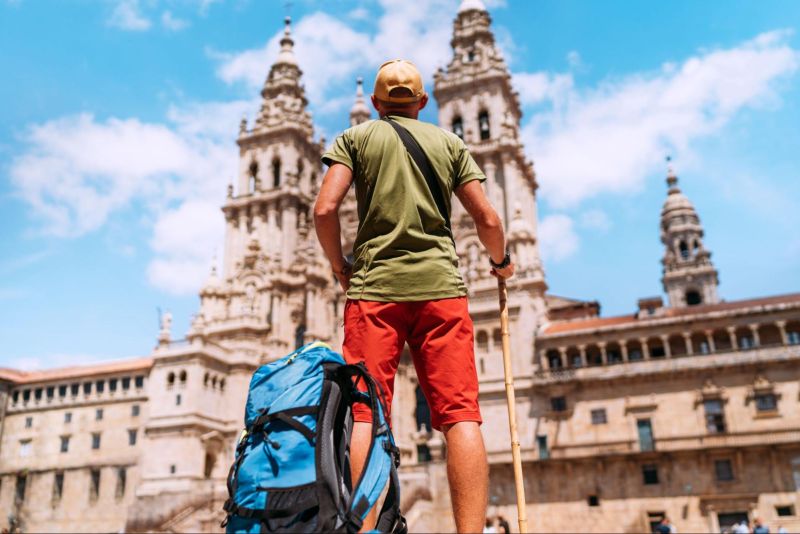
Buen Camino – Why the Camino Still Calls to Walkers Today
The Camino de Santiago is more than just a physical walk because it is a profound exploration of history, culture, and the human spirit. As pilgrims walk in the footsteps of countless others who have travelled the path over the centuries, they become part of a living tradition that transcends time and borders. The Camino offers a unique opportunity to connect with oneself, with fellow travellers, and with the deep history of Europe.
Many walkers who book their Camino holidays with U Walk enjoy a challenging yet rewarding experience supported by expert planning and friendly Irish guidance.
Plan Your Own Camino with U Walk
The pilgrimage leaves an indelible mark on all who walk its paths, creating a sense of community, resilience, and a deeper appreciation for the simple act of putting one foot in front of the other.
In the words of the ancient pilgrims: Ultreia! Onward! If you feel inspired to experience this for yourself, contact U Walk to start your amazing adventure!


