

Walking the Camino de Santiago directs visitors’ spending towards rural towns and villages across Spain. Hotels, restaurants, shops, and local services benefit from steady footfall, while the route also draws attention to local heritage and shared public spaces.
Have you ever wondered how your Camino spend supports the villages you pass through?
Article highlights:
- A recent report shows that US visitors spent over €200 million in Galicia between January and September 2025.
- Read our guide below to see how responsible tourism protects natural environments and historic monuments.
- As a fully Irish-owned team, we handle your logistics with hand-picked hotels, daily breakfasts, and luggage transfers.
- Visitor spending supports local employment and can contribute to investment in shared spaces and historic infrastructure.
- Regular contact between residents and walkers creates opportunities for cultural exchange and helps keep local traditions visible.

While the primary focus of the Camino is on the spiritual and personal experiences of pilgrims, the route has a profound and lasting impact on the local communities it passes through.
From economic benefits to cultural preservation, the positive effects of the Camino de Santiago on these communities have been extensive and long-lasting.
A 2026 study of 442 residents along the northern section of the Central Portuguese Camino found that perceived economic, environmental, and social impacts influenced support for further Camino tourism development.
In many ways, the Camino stands as a model for slow tourism: a form of travel that channels spending directly into small businesses and rural communities rather than large commercial operators.
Economic Boost and Job Creation Along the Camino
One of the most significant impacts of the Camino de Santiago on local communities is the economic boost it provides. Each year, hundreds of thousands of pilgrims from around the world start this experience, and those walking the Camino de Santiago bring with them a steady stream of income to the regions they traverse.
This influx of visitors supports hotels, restaurants, cafes, shops, and tour operators along the route.
Recent data from the Galicia tourism sector report confirms that tourism now accounts for over 10% of Galicia’s Gross Domestic Product, with visitors from the United States alone generating over €200 million between January and September 2025 – supporting employment across hospitality, transport, commerce, culture, agriculture, and services.
Choosing Slow Tourism to Support Rural Villages
As you enter a small village in Galicia, a family-run cafe catches your eye. You sit down for a coffee and a slice of traditional cake. Because we transfer your bags and book your accommodation, you have plenty of time to chat with the owner. Hearing their stories shows how walkers help keep these rural communities alive.
Purchasing handmade souvenirs from the shop next door provides direct income to local artisans. Your choice to walk the routes supports these historic towns. We handle the background details so you can focus on making real connections.
How Camino Tourism Supports Rural Economies
This matters in areas affected by rural depopulation, where pilgrim spending can support local businesses and create opportunities for residents. Demand from walkers may encourage new services and the renovation of existing premises in towns with steady Camino traffic.
Research on the Central Portuguese Camino found that rural residents perceived stronger economic benefits from Camino tourism than urban residents.
Scale of Economic Impact
In addition to direct spending by pilgrims, the Camino de Santiago has sparked entrepreneurial ventures. Locals have opened new businesses tailored to the needs of pilgrims, such as laundromats, bike rental shops, and luggage transport services. Artisans and craft makers also benefit from the pilgrimage, selling travellers handmade souvenirs and local products.
Infrastructure Development
The pilgrimage traffic surge has necessitated infrastructure improvements along the Camino routes. Local governments and organisations have invested in upgrading roads, bridges, and public facilities to accommodate the growing number of visitors. This infrastructure development enhances the pilgrimage experience and improves the quality of life for local residents.
For instance, the restoration and maintenance of historic pathways, signage, and waymarkers help preserve the cultural heritage of the Camino while ensuring the safety and convenience of travellers. Improved transportation links, such as bus and train services, make it easier for both pilgrims and locals to move around the region.
Renewed Parks and Shared Squares
Camino traffic can strengthen the case for investment in public spaces, including parks, squares, and community centres. These upgrades create more attractive and functional environments for residents and visitors alike.
Cultural Preservation and Revival
The Camino de Santiago is steeped in history and cultural heritage, and its popularity has helped preserve and revive local traditions and historical sites.
The Camino was certified as a Cultural Route of the Council of Europe in 1987, reflecting its shared heritage and cultural value across Europe.
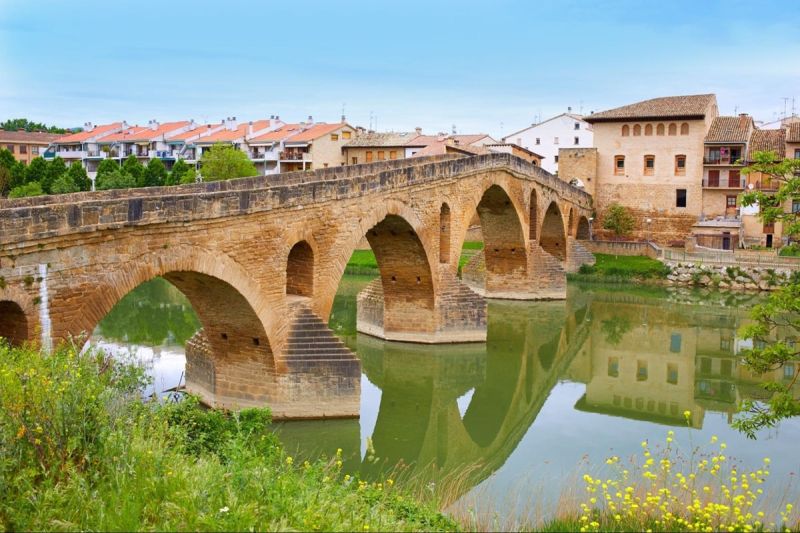
As pilgrims walk the ancient paths, they encounter churches, monasteries, and medieval bridges that communities continue to maintain as part of the Camino’s cultural heritage.
The increased interest in the Camino has led to greater awareness and appreciation of the history of the Camino de Santiago and its local traditions.
Living Heritage and Local Identity
Many communities have embraced this cultural renaissance, organising cultural festivals, events, and activities celebrating their unique heritage.
For many residents, the rhythm of pilgrims passing through has become woven into their local identity, transforming the Camino from a tourist attraction into a living part of daily community life.
These cultural expressions add depth to the pilgrimage experience and build a sense of pride and identity among local residents.
Traditional Crafts Kept Alive
In addition, the Camino has facilitated the preservation of traditional crafts and skills. Artisans who create handmade goods, such as pottery, textiles, and metalwork, have found a ready market among pilgrims. This support helps ensure these traditional crafts are passed down to future generations.
Social Cohesion and Community Building
The Camino de Santiago helps create a sense of social cohesion and community building in the towns and villages along its routes. The shared experience of hosting and interacting with pilgrims creates bonds among local residents, who often work together to provide hospitality and support to travellers.
Many communities have established volunteer programmes where locals, known as hospitaleros, offer their time and services to assist pilgrims.
Local Hospitality in Action
Volunteers welcome walkers at information points or community spaces, provide guidance, offer a warm Camino greeting, and sometimes even share meals and stories with the travellers. This spirit of hospitality and generosity is a hallmark of the Camino experience and strengthens the social fabric of the host communities.
Cultural Exchange on the Camino
The interactions between locals and pilgrims create opportunities for cultural exchange, mutual respect, and shared learning. Pilgrims bring diverse perspectives and experiences that add new energy to the lives of those they meet along the way. A 2026 study found that residents with their own pilgrimage experience held more positive views of Camino tourism across economic, environmental, and social measures. These exchanges can lead to lasting friendships and a deeper appreciation of different cultures and ways of life.
Environmental Awareness and Conservation
The Camino de Santiago also has positive implications for environmental awareness and conservation. As more people become aware of the natural beauty and ecological significance of the Camino de Santiago’s natural wonders, there is a growing emphasis on protecting and preserving these environments.
Protecting the Landscapes Along the Route
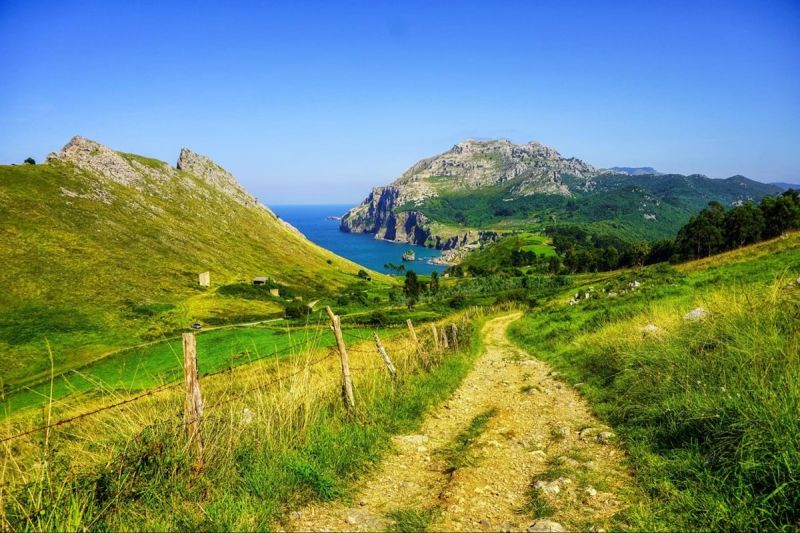
Many pilgrimage routes pass through national parks, forests, and rural areas that are home to diverse flora and fauna. Efforts to maintain and enhance these natural spaces have increased, often involving collaboration between local communities, conservation organisations, and government agencies.
Initiatives such as reforestation projects, trail maintenance, and waste management programmes help ensure that the Camino remains a sustainable and environmentally friendly pilgrimage.
Responsible Tourism on the Trail
Pilgrims are encouraged to follow responsible tourism practices along the way, such as using potable water fountains instead of single-use plastic bottles and following Leave No Trace principles on the trail.
Pilgrims themselves often become advocates for environmental conservation after experiencing the beauty of the Camino firsthand. Many return home with a heightened sense of environmental responsibility and a commitment to sustainable practices.
Educational Opportunities and Research
The Camino de Santiago serves as a living laboratory for educational and research opportunities. Universities and research institutions from around the world study various aspects of the pilgrimage, from historical and cultural research to studies on the physical and psychological effects of long-distance walking.
The official Camino knowledge and research portal brings together expert committees, academic chairs, journals, and other resources focused on the route.
Educational programmes and workshops related to the Camino and its heritage are often developed in collaboration with local schools and community organisations. These initiatives help build deeper knowledge and appreciation of the Camino’s historical and cultural significance among younger generations.
Research That Protects Camino Heritage
The documentation and research generated by these academic endeavours contribute to the preservation and promotion of the Camino’s heritage. This knowledge is invaluable for future generations and helps ensure that the Camino remains a vibrant and enduring tradition.
Challenges and Sustainable Solutions
While the positive impacts of the Camino de Santiago on local communities are numerous, it is important to acknowledge the challenges that come with increased tourism and pilgrimage traffic. Issues such as overcrowding, environmental degradation, and the commercialisation of the pilgrimage experience can pose significant challenges for local communities.
In heavily visited stretches, particularly in Galicia, the pressure of mass tourism on water supplies and waste management systems requires ongoing cooperation between local residents, municipalities, and pilgrimage organisations.
Practical Solutions for a Busier Route
To address these challenges, sustainable solutions are being implemented. For instance, efforts to promote lesser-known routes can help distribute the flow of pilgrims more evenly, reducing the pressure on the most popular paths. Initiatives to promote responsible tourism and environmental stewardship among pilgrims are also essential.
Working Together for Long-Term Protection
Local communities, governments, and organisations are working together to develop strategies that balance the economic benefits of the pilgrimage with the need to protect and preserve the Camino’s cultural and natural heritage.
Taking a sustainable and respectful approach to pilgrimage means the Camino de Santiago can continue to have a positive impact on both pilgrims and the communities they visit.
The Camino as a Model for Sustainable Pilgrimage
The Camino de Santiago is a remarkable example of how different Camino routes can bring profound positive impacts to local communities. From economic growth and job creation to cultural preservation and social cohesion, the benefits of the Camino extend far beyond the individual experiences of the pilgrims.
Why the Impact Lasts Beyond the Trail
Walking through this history and culture brings new energy to those on the Camino and revitalises the towns and villages that host them. As the Camino continues to evolve and attract pilgrims from around the world, it is essential to preserve its unique character and ensure that its positive impacts are sustained for future generations.
Sustainable practices, meaningful cultural exchange, and a focus on environmental stewardship help the Camino de Santiago remain a vibrant and enduring tradition that benefits both pilgrims and local communities alike.
Take Steps That Give Back
If you are feeling inspired to experience this for yourself, U Walk’s Camino holidays support these local economies responsibly while we look after your hotels, breakfasts, and daily bag transfers.


