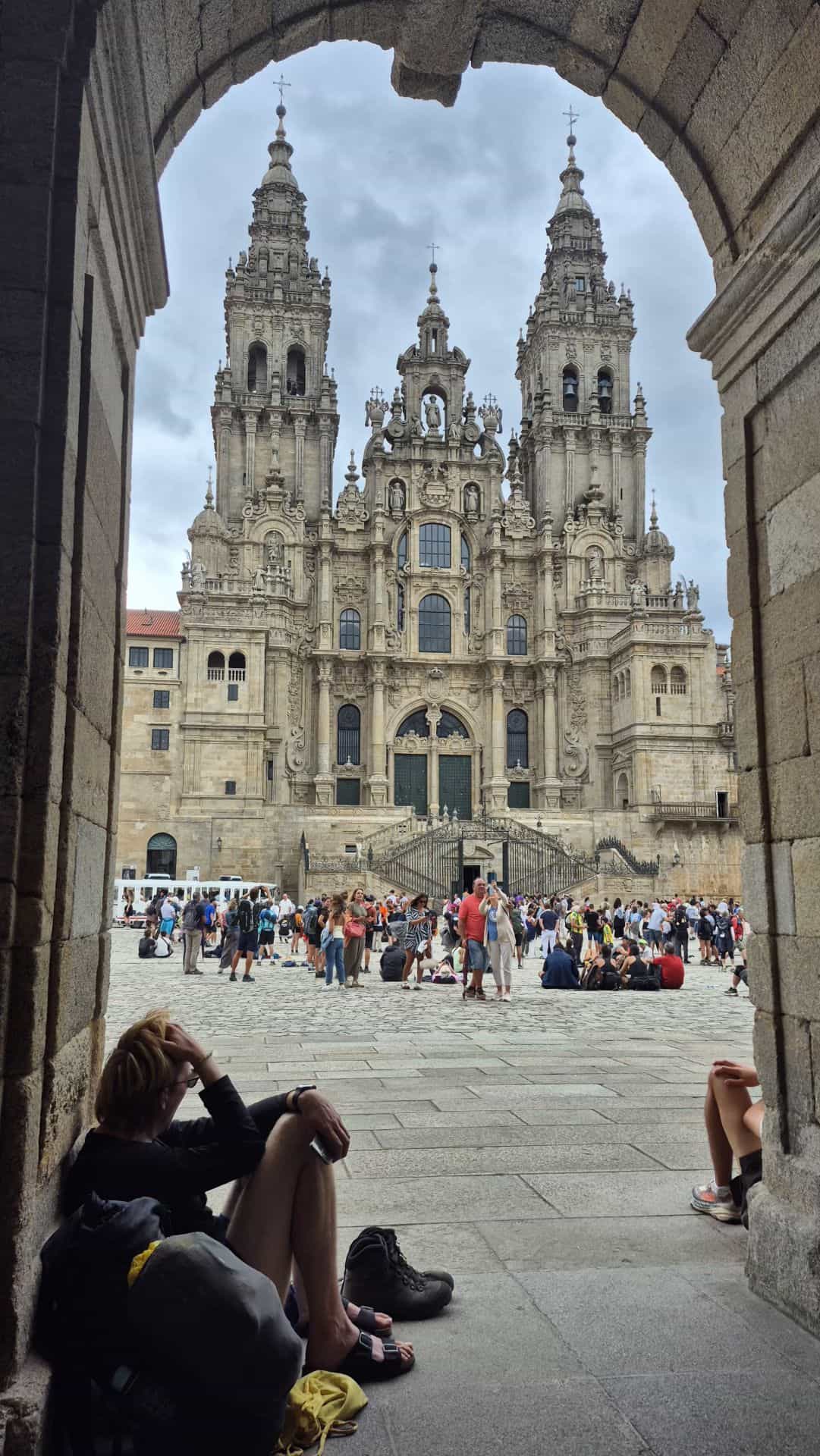
The Camino de Santiago changes with the seasons, from quieter winter trails to busy summer routes. May and September often offer a good balance of mild weather and fewer walkers than July and August. Use this month-by-month guide to choose a time that suits your preferred conditions and atmosphere.
Key takeaways:
- Winter can bring snow and route restrictions in the Pyrenees, while summer brings the busiest periods on popular sections such as Sarria to Santiago.
- Spring and autumn usually offer milder temperatures and changing landscapes across northern Spain.
- April and October can be unsettled, so pack layers and reliable waterproofs.
- We arrange your hotels with breakfast, daily luggage transfers, and emergency support, so you can focus on the walk.
When are the busiest periods on the Camino?
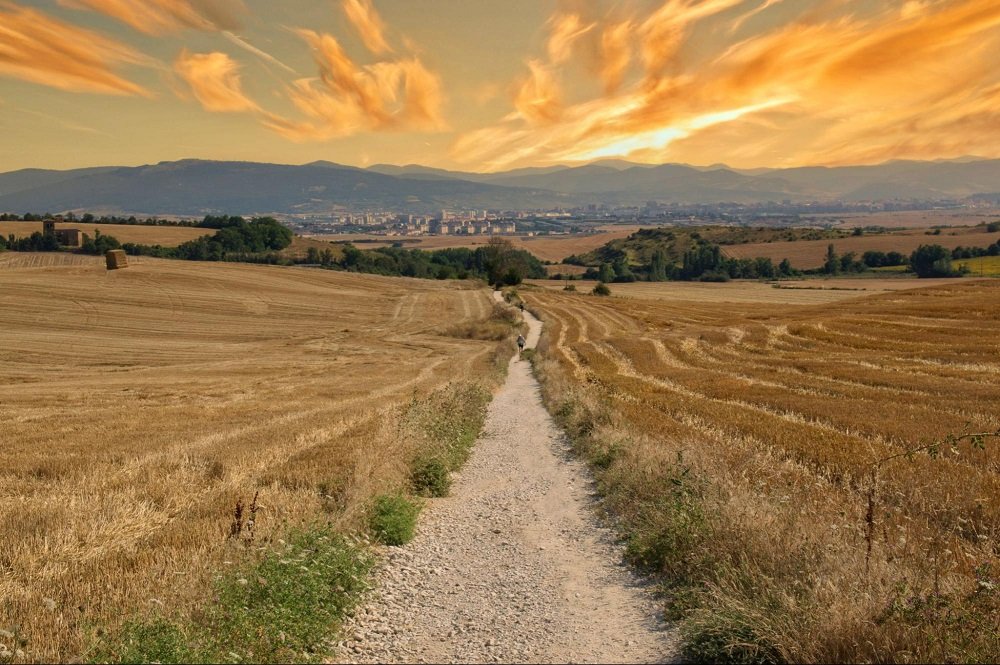
Before we look at the individual months, it’s important to stress that very few people walk the Camino during winter, and a huge amount of people walk the Camino during the summer. Official figures from the Pilgrim’s Reception Office show how pilgrim arrivals vary through the year, with the highest totals concentrated from May to September.
If you choose to walk the Camino during a Camino Holy Year, you can expect numbers to be even higher than usual, with accommodation booking up earlier along popular sections. We arrange your hotels with breakfast in advance, so you know where you are staying each night.
Winter brings colder temperatures, wetter conditions, and shorter daylight hours. Snow or ice can affect higher sections, while some local services may close or reduce their hours.
May and September often bring milder temperatures than July and August, but both can still be busy. Plan early so we can secure the right hotels for your dates.
When is the best time?
Choosing the best time to walk the Camino de Santiago is tricky because not everybody is looking for the same thing. The summer offers the best chance of good weather, although temperatures over 30°C are not uncommon, while also giving you plenty of opportunities to socialise and meet new people.
Spring and autumn can bring mild walking conditions, colourful landscapes, and a sociable atmosphere. Rain becomes more likely closer to winter, so reliable waterproofs are important.
Winter suits experienced walkers who are prepared for cold, wet conditions, shorter days, and reduced services. The trails are quieter, but route planning matters more at this time of year.
How route conditions change by season
Route choice matters as much as timing. Higher and more exposed sections can be harder in winter, while coastal routes may feel wetter and windier. We can help you match the route and month to your fitness, preferred conditions, and walking goals.
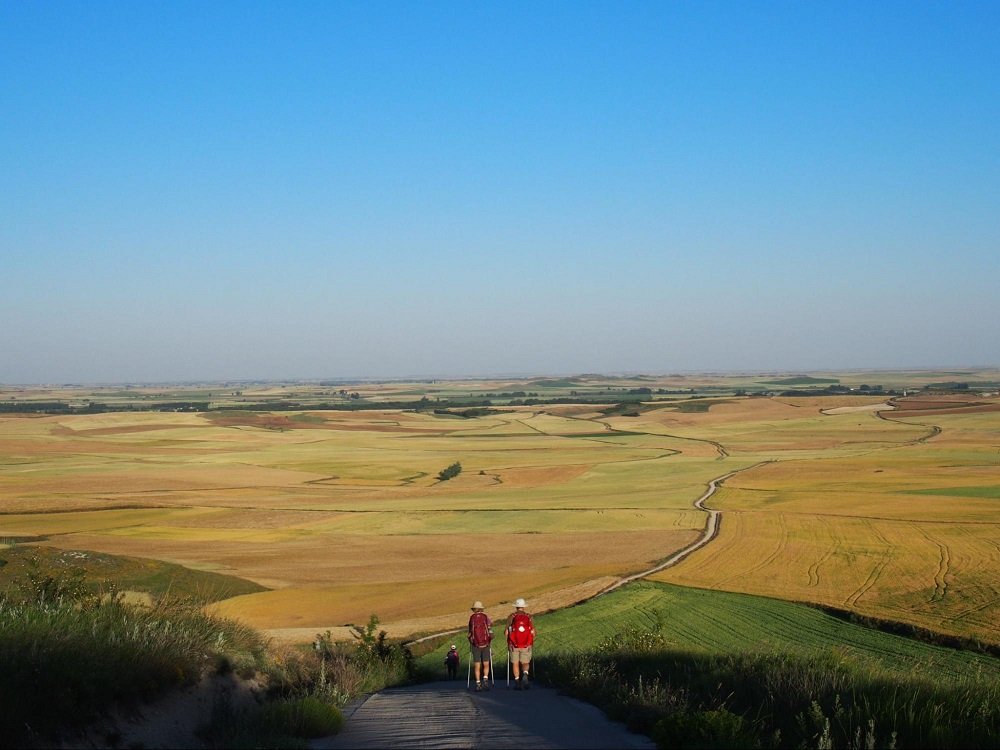
Month-by-Month Guide to the Camino
January
- Pros: Fewer pilgrims, serene landscapes, a sense of solitude and reflection.
- Cons: Cold weather, shorter days, and some local services may be closed.
- What to Expect: Snow and ice in higher sections, including the Pyrenees, stark but beautiful winter scenes. Winter is one of the most demanding times to walk the Camino.
February
- Pros: Increasing daylight, peaceful trails, and an authentic local experience.
- Cons: Still cold, particularly in the mornings and evenings; potential for rain and snow.
- What to Expect: Early signs of spring, with almond trees blossoming in some areas, but still plenty of rain.
March
- Pros: The onset of spring, mild temperatures, and fewer crowds.
- Cons: Unpredictable weather, with a mix of rain, wind, and occasional warm days.
- What to Expect: Wildflowers beginning to bloom, and greener landscapes. A beautiful time to walk, but still susceptible to cold days. Pack layers and a rain jacket to handle the variable conditions.
April
- Pros: Pleasant temperatures, vibrant spring energy, Easter celebrations.
- Cons: Rain is common (April showers), and routes can become busier around Easter.
- What to Expect: Easter festivities, especially in larger towns, with processions and events. The Camino starts to open up and shakes off the wintry cobwebs. A lovely time to be in northern Spain.
May
- Pros: Ideal walking conditions, moderate temperatures, and abundant natural beauty.
- Cons: Increasing numbers of pilgrims leading up to the peak season.
- What to Expect: Full spring bloom, lively towns as local festivals begin. Perhaps one of the best times to walk the Camino.
June
- Pros: Long daylight hours, vibrant social atmosphere, the start of the summer.
- Cons: Hotter temperatures, particularly in the afternoons; busy paths and limited hotel availability in popular towns.
- What to Expect: Festivals like the Fiesta de San Juan, buzzing cafes and lively town squares.

July
- Pros: Warm weather, festive atmosphere, Santiago’s St. James Day celebrations.
- Cons: Higher afternoon temperatures, busier routes, higher prices.
- What to Expect: The Fiesta del Apostol in Santiago, lively nightlife. Depending on the region, afternoon heat can be uncomfortable, but July still has a lively atmosphere.
August
- Pros: Warm and sunny weather, a festive and social atmosphere.
- Cons: Peak heat, especially later in the day, makes staying hydrated on the Camino important; paths are also busy, and accommodation availability is limited.
- What to Expect: Sun-drenched vineyards and bustling beach towns near the coastal routes. The Sarria to Santiago de Compostela section is the most popular part of the Camino. August is a peak month, so booking early helps us secure the right hotels for your walk.
September
- Pros: Cooler temperatures, grape harvest in the wine regions, and fewer walkers than in July and August.
- Cons: Cooler evenings, occasional rain showers.
- What to Expect: Harvest festivals, changing leaves, a more tranquil walking experience. Definitely one of the best times to walk the Camino.
October
- Pros: Autumn colours, mild weather, fewer pilgrims.
- Cons: Shorter days, unpredictable weather, some services begin to close for winter.
- What to Expect: Stunning autumnal landscapes, quieter towns, and villages. You’ll definitely notice a chill in the air at this point.
November
- Pros: Solitude on the trail, a deeply reflective experience.
- Cons: Cold weather, more rain, shorter days, and reduced local services.
- What to Expect: Bare trees, frosty mornings, a sense of peaceful isolation. Don’t expect to see many people.
December
- Pros: Few pilgrims, a unique Christmas experience in Spain.
- Cons: Short days, cold and potentially wet weather, limited services.
- What to Expect: Christmas lights and decorations in towns, special Masses in cathedrals.
How to Choose the Right Month for Your Camino
The right month depends on the weather, atmosphere, and crowd levels you prefer. Once you have dates in mind, explore our Camino walking holidays and choose a route that suits your fitness and preferred conditions.