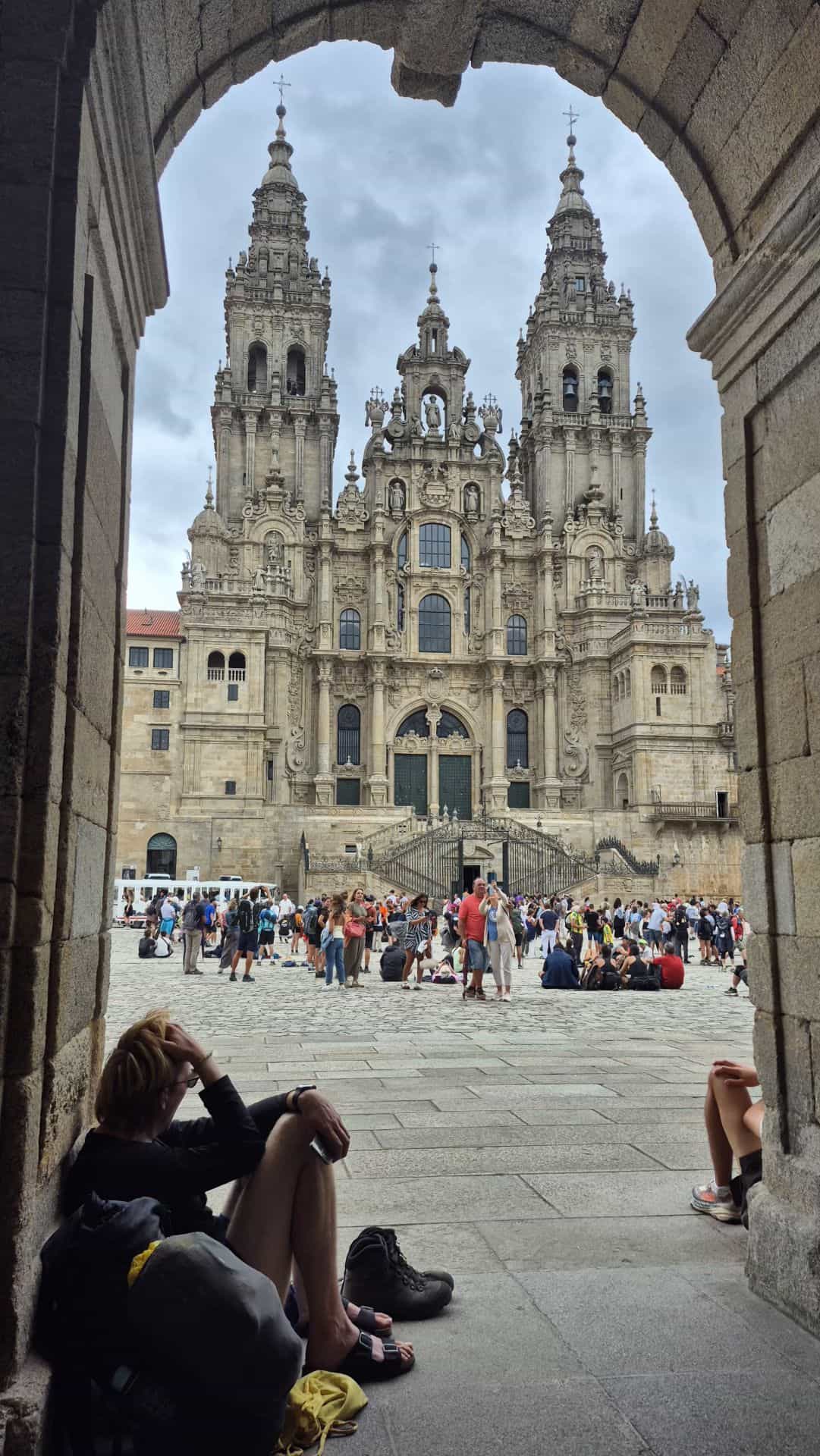
Walking the Camino de Santiago can support your mental wellbeing because it combines daily movement, time outdoors, and a break from routine.
In this article:
- Recent research has linked the Camino with lower stress and better mood in many walkers.
- Below, we look at seven ways the trail may help you feel calmer, clearer, and more grounded.
- We welcome walkers of all fitness levels and handle your accommodation, breakfast, daily bag transfers, and emergency support.
- Reaching Santiago after at least 100 km on foot can also leave you with a real sense of achievement.
Can Walking the Camino Improve Your Mental Health?
With stress, anxiety, and depression levels continuing to rise – in Ireland but also across the world – taking good care of our mental health has never been more important.
Quick fixes rarely get to the root of the problem. Walking or doing exercise and getting out into nature are two of the most beneficial activities you can do to help your mental health, and yet, too many of us pass them over with only the briefest of thoughts.
But what if we could combine walking with nature and include a large dollop of travel, another activity shown to do wonders for the human mind? The Camino brings those elements together.
This article explores seven potential mental health benefits of walking the Camino de Santiago, drawing on personal experience, historical context, and recent research.
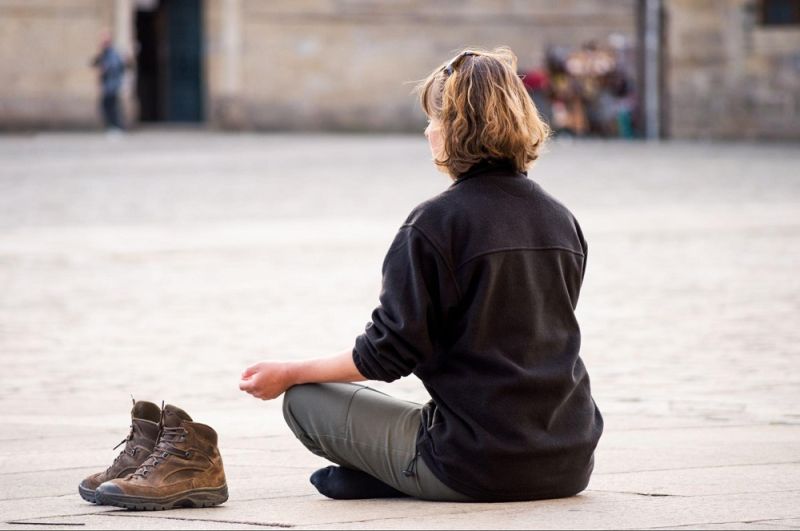
What Does the Research Say About the Camino and Mental Health?
Recent research gives this idea real backing. An Ultreya Study followed 444 pilgrims and 124 holidaymakers and found greater gains in positive affect, life satisfaction, and valued living among Camino walkers, along with larger declines in anxiety, depression, and perceived stress.
Some of those gains were still present three months later. That does not make the Camino a replacement for mental health care, but it does suggest that time on the trail can support better wellbeing for many walkers.
1. Stress Reduction and Enhanced Mood
The act of walking, particularly in nature, is a powerful antidote to stress. The Camino de Santiago, with its diverse landscapes ranging from the Pyrenees on Camino Frances Stage 1 to the lush Galician countryside on the last stage of Camino de Santiago, gives you the space and structure that many people miss in daily life.
Cortisol, Endorphins and the Walk
The rhythmic nature of walking helps to calm the mind, reducing levels of cortisol, the body’s stress hormone. Additionally, the exposure to natural light and the physical activity involved in the walk can significantly boost mood, combating symptoms of anxiety and depression through the release of endorphins, known as the body’s natural ‘feel-good’ chemicals.
Sleep, Recovery and the Camino Reset
For walkers dealing with burnout or constant mental noise, the Camino can feel like a reset. Long days outdoors, regular mealtimes, and a simple routine often help your body settle into a better pattern – a chance to step away from mental fatigue and begin to breathe again.

2. Mindfulness and Presence
Mindfulness has become a buzzword these days – everybody’s talking about it – but what does it actually mean? It means paying attention to what is happening now instead of getting dragged into the past or the future.
The Camino encourages a state of mindfulness. Anybody who has walked for days on end will know that eventually, your mind starts to clear, and you begin to notice the world around you in ways you did not before.
Inner Silence on the Trail
The daily rhythm of walking, eating, and sleeping gives you a break from constant input. That can create more awareness of your surroundings and your own thoughts, which often brings a sense of inner peace and contentment. Each step can help anchor your attention in the present.
3. Emotional Healing and Reflection
People walk the Camino for various reasons, but you will always find many walking as a way of helping with emotional healing and reflection. It is not uncommon to come across pilgrims who have been through trauma, experienced grief or divorce, or simply feel lost and search for a new direction in life.
We also offer self-guided walking tours for walkers who want more space, flexibility, and time to reflect on the trail. The solitude of the walk, combined with the support of others on the path, can create space for introspection and emotional release.
The physical challenge of the Camino can also build the resilience needed to work through hard periods in life. We cannot promise a breakthrough, but many walkers do come home feeling clearer and more settled.
4. Personal Growth and Self-Discovery
Walking the Camino can stretch you physically, emotionally, and sometimes spiritually. Hard things can still be worth doing because they show you what you can handle.
Walkers often emerge from the Camino with a clearer sense of identity, purpose, and personal values. There is something about walking 100 km, 200 km, or even 800 km that forces you to look deep in that mirror at the face looking back at you. Who are you really? And what are you really capable of when you put your mind to it?
Walking long distances requires resilience, perseverance, and adaptability, contributing to stronger self-confidence and self-belief. This can lead to significant life changes and a reevaluation of your goals, relationships, and priorities. And if you want the confidence of shared structure while still taking on the challenge for yourself, our group Camino departures for solo walkers can be a good place to start.

5. Social Connection and a Sense of Belonging
The Camino de Santiago is renowned for its strong sense of community and camaraderie among walkers. This social aspect can be incredibly beneficial for mental health, offering a sense of belonging and support.
While backgrounds, situations, and health will all vary, when it comes to being out on the Camino, it is easy to feel a close bond and companionship with your fellow walkers.
Sharing the walk with people from different backgrounds, yet with a shared purpose, can lead to deep connections and friendships. Those conversations and small acts of support often help ease loneliness and remind you that you are not carrying everything on your own.
Even if you want a quieter week, our guide to peaceful walking on the Camino can help you find calmer stretches.
6. Achievement and Accomplishment
When we are young, adults often encourage us to build a sense of achievement. That feeling can fade in adult life. Day-to-day pressures get in the way, and it becomes easy to forget how good it feels to set yourself a hard goal and finish it.
Completing a section of Camino de Santiago, or even the full route, is a significant achievement and can leave you with lasting confidence.
The Compostela Certificate
If you walk at least 100 km on foot, you can collect a Camino pilgrim certificate, also known as the Camino Compostela, in Santiago. It is a simple reminder of what you asked of yourself and what you managed to complete.
Physical Endurance and Mental Grit
It’s not always going to be easy, and gritting it out at times will be down to your strength, resilience, and determination, qualities that can be applied to future challenges in life.
This accomplishment can also serve as a powerful reminder of your ability to overcome obstacles, fostering a more optimistic outlook on life. If you are planning a longer section, our guide to Training for the Camino de Santiago shows what good preparation looks like.
7. Reconnection with Nature and Simplicity
Screens dominate a lot of modern life, and many of us spend more time indoors than we would like. The Camino gives you a chance to step back, slow down, and pay attention again.
This reconnection with nature can feel grounding because the trail brings you back to simple, physical things. From scenic spots along the Camino to quiet woodland stretches in Galicia, the walk reminds you how much a day outdoors can change your mood.
Life on the Camino is simple. You carry what you need, walk, eat, rest, and start again. That stripped-back rhythm can leave you with a better sense of what matters and what you can let go of.
Is the Camino Right for Your Mental Wellbeing?
The Camino de Santiago provides an astonishing experience with the potential to significantly benefit mental health and well-being. Through stress reduction, mindfulness, emotional healing, personal growth, social connection, a sense of accomplishment, and reconnection with nature, the journey offers a holistic approach to mental health.
It is not a replacement for professional mental health care, but it can be a meaningful complement for some walkers. When you feel ready to take the next step, get in touch, and our Irish team will help you plan a Camino holiday that fits you.