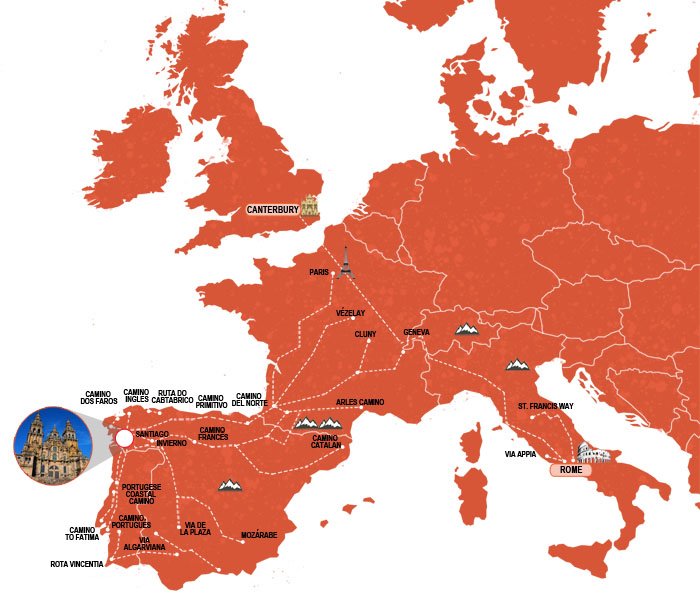
Reaching the finish line in Santiago de Compostela stirs a mix of relief, reflection, and quiet pride. After days or even weeks on the Camino de Santiago, every walker looks forward to the moment they step onto the iconic Plaza del Obradoiro.
This guide outlines what to expect at the finish, from the atmosphere and traditions to the final steps at the Pilgrim Office. You’ll also find practical tips for closing your walk and marking the moment in a way that feels right for you.
For those who walk for reflection, adventure, or connection, the arrival in Santiago on the Camino is a memory you will cherish.
Arriving in Santiago (First Impressions)
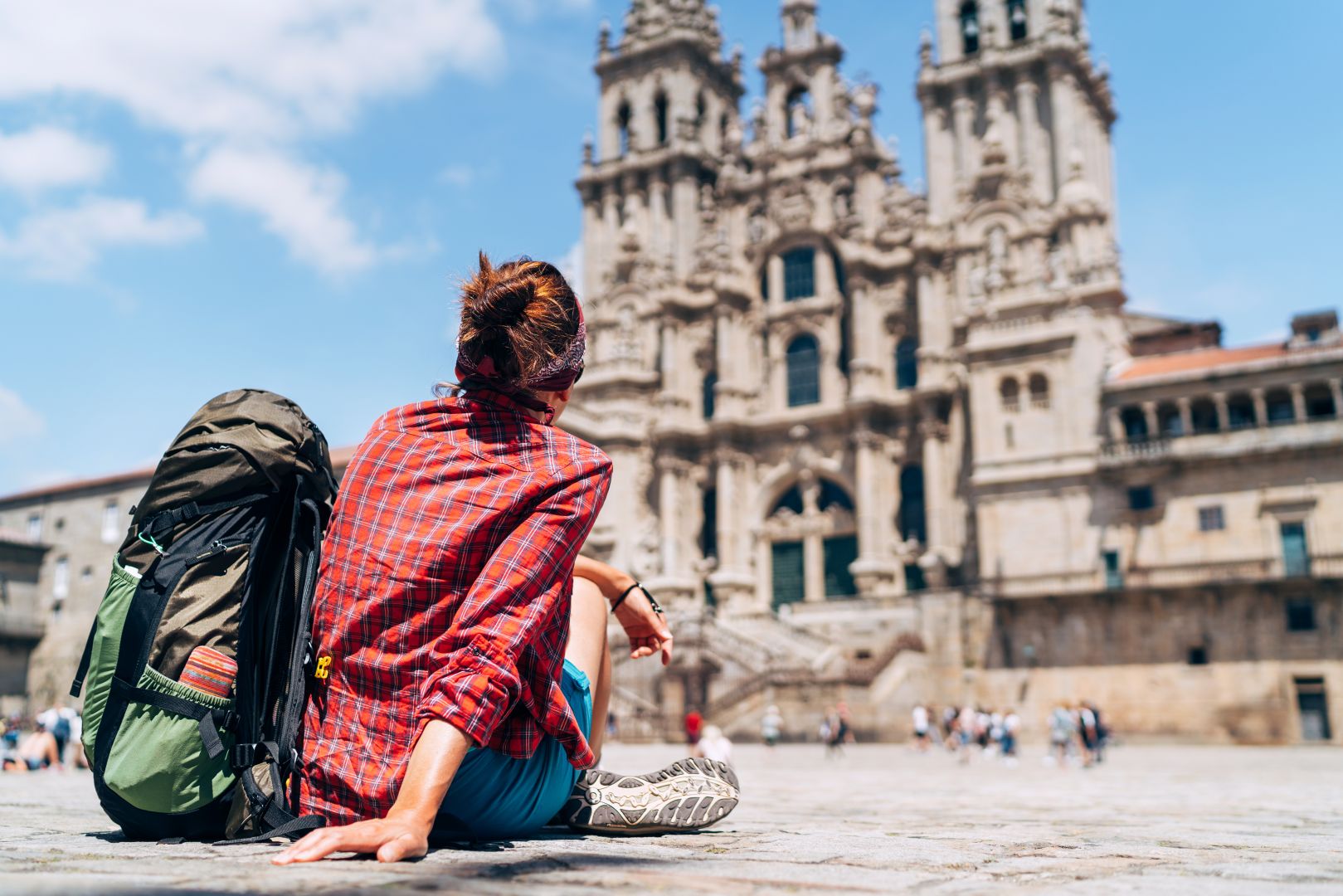
The final steps into Santiago transform everything. The narrow paths suddenly give way to the grand expanse of Plaza del Obradoiro, and you can feel it: that shift in energy.
Some pilgrims fall silent, struck by the moment. Others laugh, cry, or embrace strangers who, in some way, no longer seem strange. The Cathedral of Santiago de Compostela’s spires, which once marked the horizon, now rise above you.
The square pulses with a curious mix of exhaustion and elation as walkers realise they’ve made it. This is it. The endpoint. The place they’ve been walking toward for days or weeks.
Soaking Up the Atmosphere
Don’t rush this part. Sit on the cool stone steps. Lean against your pack. Look up at the sky above the cathedral towers. Notice the faces around you: that woman you passed three days ago on the hill, that older man who shared his water when yours ran out.
The square invites you to just be here, now, in this moment you’ve earned. Some pilgrims spend hours just sitting, watching new arrivals experience their moments of completion. Let it sink in. You walked the Camino. You’re here.
Camino Finish Line Rituals for Pilgrims
People mark their arrival in countless personal ways. Some rituals date back centuries, while others are created on the spot. These small ceremonies help close one chapter and open another.
Photographs at the Cathedral
“Could you take my picture?” The question floats through the plaza constantly. Pilgrims position themselves on the steps, Cathedral looming behind them, faces glowing despite the dirt and sweat.
Some hold up their Camino passports, others display walking sticks that have supported them for hundreds of miles. Families gather in tight clusters. Solo walkers ask strangers to capture their moment.
These photos will adorn mantels and fill albums, serving as proof of something accomplished that can’t quite be explained to those who weren’t there.
Embracing Fellow Walkers
The bonds formed on the trail often explode into joyful reunions at the finish. “You made it!” A walker spots someone they met days ago, and suddenly they’re hugging like old friends.
Small groups form circles, sharing bottles of wine or water. People who started as strangers swap contact information, promising to stay in touch. Even the most solitary pilgrims often find themselves drawn into these celebrations.
A shared camino journey creates connections that need no explanation: just a smile, a nod, perhaps a hand on a shoulder.
Time for Quiet Reflection
After the noise comes stillness for many. A bench in the shade. A quiet corner of the square. Some pilgrims pull out journals and frantically write, trying to capture feelings before they fade.
Others simply stare at the Cathedral, lost in thought. What did this experience mean? What changes now? The questions settle like dust after a long walk.
Many feel a sudden wave of emotion in these quieter moments, as if only now, in stillness, can they feel the full weight of what they’ve done.
The Pilgrim Office (What Happens Next)
Most pilgrims eventually make their way to the Pilgrim Office to officially complete their walk and collect their certificate: tangible proof of their accomplishment.
Locating the Pilgrim Office
The Oficina del Peregrino is situated a short walk from the main square, at Rúa Carretas 33. Follow the flow of pilgrims or ask anyone with a backpack: they’ll point the way.
During peak season, you might spot the building by the line stretching out the door. Go mid-morning, if possible, or later in the afternoon when the crowds thin.
The office typically opens from 9:00 to 19:00, although times may vary seasonally, so please plan your visit accordingly. The staff handles thousands of pilgrims daily with remarkable patience and warmth.
Registration Process Steps
Join the queue and keep your Camino passport handy (that small booklet filled with colourful stamps from your pilgrimage). Staff might distribute numbered tickets during busy periods. When your turn comes, you’ll complete a simple form asking where you started walking and why you chose this pilgrimage.
The clerk checks your stamps to confirm you’ve met the minimum distance requirements. While you wait, you might chat with other pilgrims about your routes or glance through your passport, recalling places tied to each stamp – an albergue, a quiet café.
Collecting Your Camino Certificate
The moment arrives: they call your name in Latin as you step forward to collect your Camino Certificate, better known as the Compostela. The certificate feels substantial in your hands, official in a way that matches the weight of your journey.
Many pilgrims also request a distance certificate that details their specific route and the kilometres walked. Tuck these documents carefully into a folder or sturdy envelope: they’re surprisingly meaningful souvenirs that often end up framed back home.
The certificate marks a transition – from pilgrim back to regular life, though many find they’re not quite the same person they were when they started walking.
Post-Walk Essentials in Santiago
After weeks of walking, your body and mind need transition time. These first hours in Santiago help bridge the gap between the life of a pilgrim and whatever comes next.
Dropping Bags and Freshening Up
Nothing feels better than that first shower after reaching Santiago. Find your accommodation (most are within walking distance of the square) and shed your pack with a sigh of relief. If you arranged bag transfers, your luggage will be waiting.
Peel off those hiking boots. Stand under hot water until your muscles stop aching. Put on clean clothes that haven’t been stuffed in a backpack. These simple acts feel luxurious after days on the trail. Your body starts to realise that the walking is done.
First Meal Traditions
“What should we eat?” becomes an important question. Santiago’s restaurants welcome pilgrims with open arms and special menus.
Try local Galician specialties: the octopus is tender and perfectly spiced, the empanadas are stuffed with savoury fillings, and the almond cake (tarta de Santiago) is marked with the cross of St. James. Local wines flow freely.
Tables fill with pilgrims comparing blisters and sharing stories. That first meal tastes different somehow: flavours more intense after days of simple trail food, conversations richer with people who truly get what you’ve just accomplished.
Taking Care of Tired Feet
Your feet carried you here: they deserve special attention, and proper training for the Camino de Santiago can help prepare them for such a long walk. Santiago offers several foot care options specifically for pilgrims.
Some walkers book massages, others visit clinics for blister treatment. Even just propping your feet up in a park or dipping them in cool water brings relief. Remove those hiking socks and let your feet breathe.
Examine the calluses and marks: badges of honour from your walk. Some pilgrims photograph their feet as a testament to what these often-ignored body parts accomplished.
Making the Most of Your Santiago Stay
After reaching your goal, Santiago invites you to linger. The city offers rich history, lively streets, and a perfect atmosphere for processing your experience.
Exploring the Cathedral
Step inside the Cathedral that called you here. The stone walls feel cool against the warmth of the plaza outside. Pilgrims often touch the central column of the Portico de la Gloria, placing their fingers in grooves worn by millions of hands before them.
The daily Pilgrim Mass fills up quickly, so please arrive early to secure a seat. If scheduled, be sure to watch the spectacular Botafumeiro ceremony, where a massive incense burner swings through the transept. The Cathedral holds centuries of pilgrims’ hopes and prayers: add yours to the mix.
Souvenir Shopping Tips
Shops near the Cathedral are packed with Camino souvenirs. Look beyond the mass-produced items for something meaningful, perhaps a hand-carved walking stick or locally crafted jewellery featuring the scallop shell.
Many pilgrims purchase small shells or crosses as gifts for friends back home. Local markets offer Galician foods that travel well, such as spices, preserved seafood, or almond cake.
These simple items help carry a piece of the Camino back into daily life. They reconnect you to the path, even after you’re home.
Connecting with Other Walkers
“Meet us at 8 for dinner?” The connections made on the trail often deepen in Santiago. Pilgrims organise impromptu gatherings in plaza cafés or evening meals in local restaurants.
Some join reflection circles or attend events posted at local hostels – exchange contact information with those special trail friends. Many pilgrims report these relationships lasting years beyond the walk.
The shared experience creates a shorthand understanding that doesn’t need explanation. These final conversations mark the shift from trail life to whatever comes next.
Get Through Your Own Camino Finish Line with U Walk
Your Santiago arrival can be as meaningful and stress-free as possible with the right support.
U Walk helps with hotel bookings, daily luggage transfers, and expert advice for your Camino walk so you enjoy every moment from start to finish.