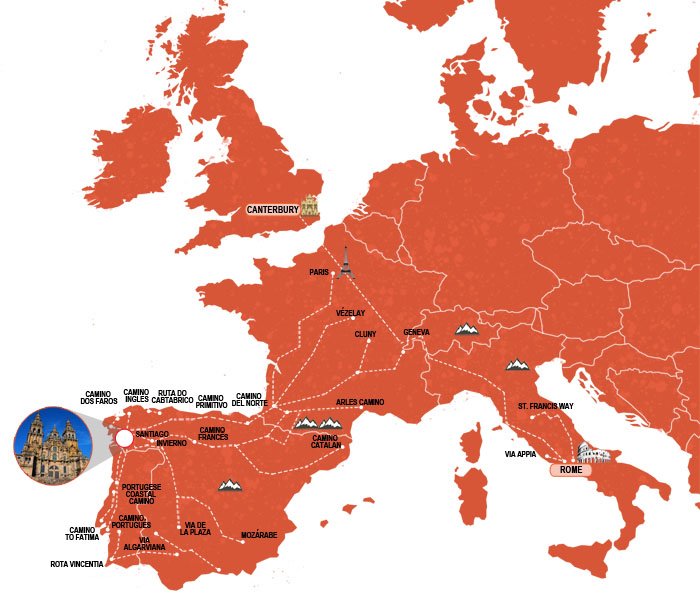
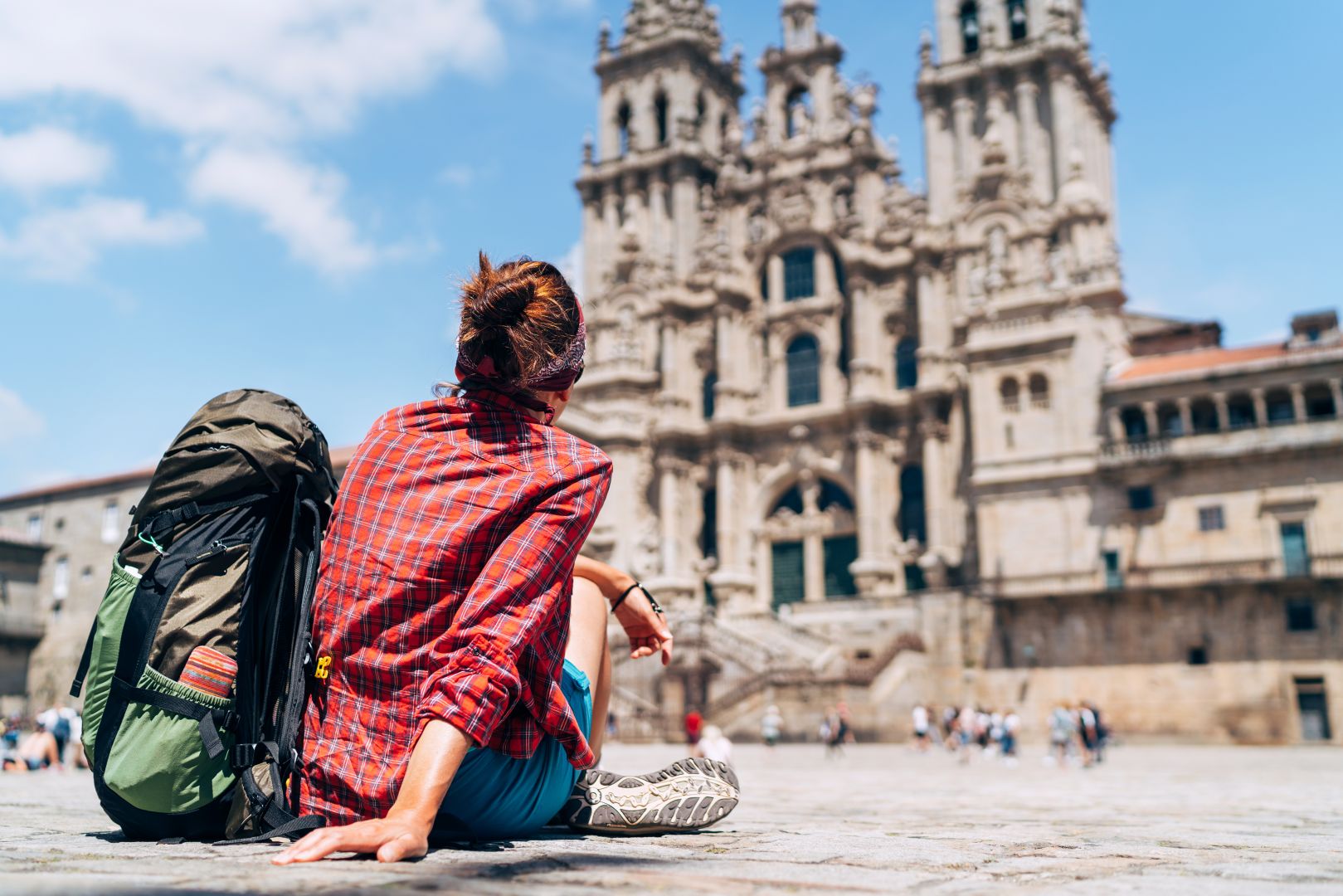
While the primary focus of the Camino is on the spiritual and personal journeys of the pilgrims, the route has a profound and lasting impact on the local communities it passes through. From economic benefits to cultural preservation, the positive effects of the Camino de Santiago on these communities have been extensive and long-lasting.
Economic Boost and Job Creation
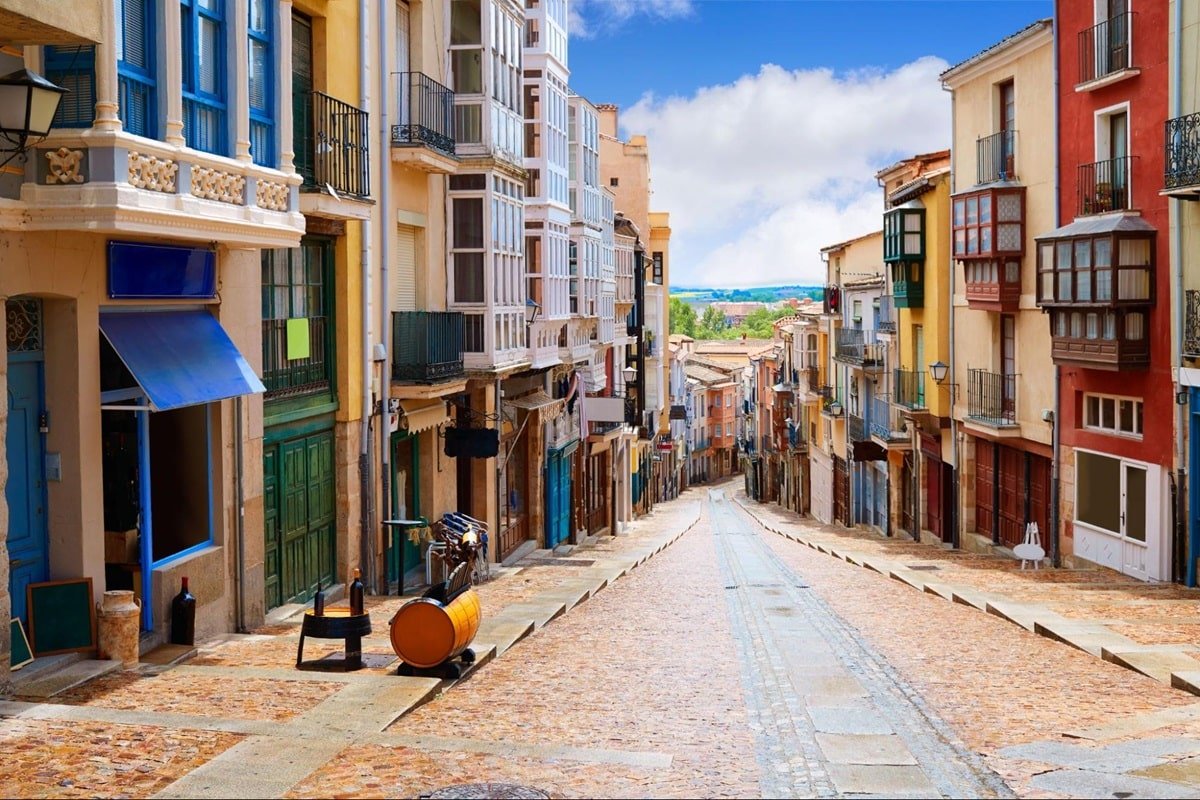
One of the most significant impacts of the Camino de Santiago on local communities is the economic boost it provides. Each year, hundreds of thousands of pilgrims from around the world embark on this journey, bringing with them a steady stream of income to the regions they traverse. This influx of visitors supports a wide range of businesses, including hotels, hostels (albergues), restaurants, cafes, shops, and tour operators.
The hospitality sector, in particular, benefits immensely. Many small towns and villages along the Camino have seen a resurgence in local business activity due to the constant flow of pilgrims needing accommodation and meals. This demand has led to the opening of new establishments and renovating existing ones, creating jobs and stimulating the local economy.
In addition to direct spending by pilgrims, the Camino de Santiago has sparked entrepreneurial ventures. Locals have opened new businesses tailored to the needs of pilgrims, such as laundromats, bike rental shops, and luggage transport services. Artisans and craft makers also benefit from the pilgrimage, selling travellers handmade souvenirs and local products.
Infrastructure Development
The pilgrimage traffic surge has necessitated infrastructure improvements along the Camino routes. Local governments and organisations have invested in upgrading roads, bridges, and public facilities to accommodate the growing number of visitors. This infrastructure development not only enhances the pilgrimage experience but also improves the quality of life for local residents.
For instance, the restoration and maintenance of historic pathways, signage, and waymarkers help preserve the cultural heritage of the Camino while ensuring the safety and convenience of travellers. Improved transportation links, such as bus and train services, make it easier for both pilgrims and locals to navigate the region.
Moreover, many towns have benefited from the renovation of public spaces, including parks, squares, and community centres, funded by pilgrimage-related revenues. These upgrades create more attractive and functional environments for residents and visitors alike.
Cultural Preservation and Revival
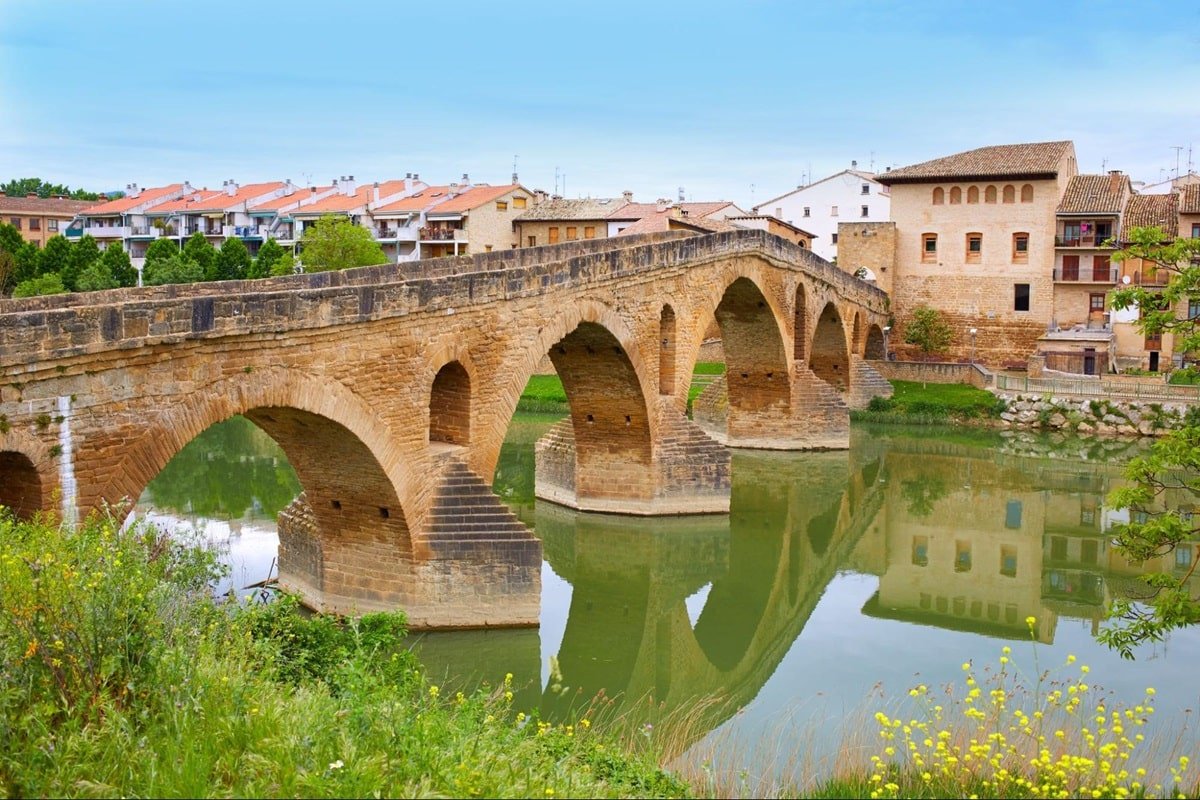
The Camino de Santiago is steeped in history and cultural heritage, and its popularity has played a crucial role in preserving and reviving local traditions and historical sites. As pilgrims walk the ancient paths, they encounter a huge number of cultural landmarks, including churches, monasteries, and medieval bridges, many of which have been restored and maintained thanks to pilgrimage-related funds.
The increased interest in the Camino has led to greater awareness and appreciation of local history and traditions. Many communities have embraced this cultural renaissance, organising festivals, events, and activities celebrating their unique heritage. These cultural expressions enrich the pilgrimage experience and foster a sense of pride and identity among local residents.
In addition, the Camino has facilitated the preservation of traditional crafts and skills. Artisans who create handmade goods, such as pottery, textiles, and metalwork, have found a ready market among pilgrims. This support helps ensure these traditional crafts are passed down to future generations.
Social Cohesion and Community Building
The Camino de Santiago fosters a sense of social cohesion and community building in the towns and villages along its routes. The shared experience of hosting and interacting with pilgrims creates bonds among local residents, who often work together to provide hospitality and support to travellers.
Many communities have established volunteer programs where locals, known as hospitaleros, offer their time and services to assist pilgrims. These volunteers staff albergues, provide information and guidance, and sometimes even share meals and stories with the travellers. This spirit of hospitality and generosity is a hallmark of the Camino experience and strengthens the social fabric of the host communities.
Furthermore, the interactions between locals and pilgrims create cultural exchange and mutual understanding opportunities. Pilgrims bring diverse perspectives and experiences, enriching the lives of those they meet along the way. These exchanges can lead to lasting friendships and a greater appreciation of different cultures and ways of life.

Environmental Awareness and Conservation
The Camino de Santiago also has positive implications for environmental awareness and conservation. As more people become aware of the natural beauty and ecological significance of the landscapes along the Camino, there is a growing emphasis on protecting and preserving these environments.
Many pilgrimage routes pass through national parks, forests, and rural areas that are home to diverse flora and fauna. Efforts to maintain and enhance these natural spaces have increased, often involving collaboration between local communities, conservation organisations, and government agencies. Initiatives such as reforestation projects, trail maintenance, and waste management programs help ensure that the Camino remains a sustainable and environmentally friendly pilgrimage.
Pilgrims themselves often become advocates for environmental conservation after experiencing the beauty of the Camino firsthand. Many return home with a heightened sense of environmental responsibility and a commitment to sustainable practices.
Educational Opportunities and Research
The Camino de Santiago serves as a living laboratory for educational and research opportunities. Universities and research institutions from around the world study various aspects of the pilgrimage, from historical and cultural research to studies on the physical and psychological effects of long-distance walking.
Local communities benefit from these academic pursuits through partnerships with researchers and students. Educational programs and workshops related to the Camino and its heritage are often developed in collaboration with local schools and community organisations. These initiatives help foster a deeper understanding and appreciation of the Camino’s historical and cultural significance among younger generations.
Moreover, the documentation and research generated by these academic endeavours contribute to the preservation and promotion of the Camino’s heritage. This knowledge is invaluable for future generations and helps ensure that the Camino remains a vibrant and enduring tradition.
Challenges and Sustainable Solutions
While the positive impacts of the Camino de Santiago on local communities are numerous, it is important to acknowledge the challenges that come with increased tourism and pilgrimage traffic. Issues such as overcrowding, environmental degradation, and the commercialization of the pilgrimage experience can pose significant challenges for local communities.
To address these challenges, sustainable solutions are being implemented. For instance, efforts to promote lesser-known routes can help distribute the flow of pilgrims more evenly, reducing the pressure on the most popular paths. Initiatives to promote responsible tourism and environmental stewardship among pilgrims are also essential.
Local communities, governments, and organisations are working together to develop strategies that balance the economic benefits of the pilgrimage with the need to protect and preserve the Camino’s cultural and natural heritage. By fostering a sustainable and respectful approach to pilgrimage, the Camino de Santiago can continue to have a positive impact on both pilgrims and the communities they visit.
A Positive Camino
The Camino de Santiago is a remarkable example of how an ancient pilgrimage route can bring profound positive impacts to local communities. From economic growth and job creation to cultural preservation and social cohesion, the benefits of the Camino extend far beyond the individual experiences of the pilgrims. The journey through history and culture not only enriches the lives of those who walk the Camino but also revitalises the towns and villages that host them.
As the Camino continues to evolve and attract pilgrims from around the world, it is essential to preserve its unique character and ensure that its positive impacts are sustained for future generations. By embracing sustainable practices, fostering cultural exchange, and promoting environmental stewardship, the Camino de Santiago can remain a vibrant and enduring tradition that benefits both pilgrims and local communities alike.