Drinking enough water on the Camino de Santiago keeps your energy high and prevents heat exhaustion under the Spanish sun. We recommend carrying two litres of water and drinking regularly, refilling at public fountains marked ‘agua potable’ along the trail.
Highlights:
- Pack a reusable water bottle and aim to drink about one litre every two hours while walking.
- Read our nine practical tips below to plan your daily water intake and electrolyte balance.
- We handle your accommodation and daily luggage transfers, so you only need to carry a light daypack with your water and essentials.
- Look for public fountains labelled ‘agua potable’ to safely refill your supply in towns and villages.
- Carry oral rehydration salts in your first-aid kit to replace lost minerals on hot summer days.
- Avoid single-use plastics to protect the natural beauty of the routes.
Why hydration matters on the Camino de Santiago
Water is vital to every human, but it takes on even greater importance for those walking through the dry countryside of Northern Spain in mid-summer.
If you are walking the Camino Frances, exploring the Camino Portugues, or tackling the Meseta, proper hydration can make or break your experience. Not enough water will leave you feeling tired and groggy, and can even lead to headaches – none of which are good when you have 20 km lying ahead of you.
The Camino has plenty of small villages, towns, cities, and water fountains dotted along the route, so with a little planning, staying hydrated is relatively straightforward.
How to stay hydrated on the Camino de Santiago
While humans can sometimes go several weeks without eating, three days is about the limit without water. But even going a single day without the required quantity of water can lead to a variety of issues, including fatigue, mood swings, overeating, skin problems, and many more.
Daily Water Intake on the Trail
The recommended water consumption for a man is around 3.7 litres per day and roughly 2.7 litres for women, but that’s without taking into consideration the six hours of walking in high temperatures.
Pre-Stage Hydration Timing
In this case, you need to think about replacing what you are sweating out regularly. The recommended intake while walking is around 150-200ml every 10-15 minutes, but in reality, you can simply stop every hour and drink plenty of water.
Aim to drink around 1 litre every 2 hours on warmer days, and try to have a large glass of water the evening before a long stage to ensure you’re not starting the morning already behind on fluids.
Here are nine pointers and questions about keeping your water levels up when you walk the Camino de Santiago.
1. How much water should I carry?
There is always a fine line in how much water you carry on the Camino de Santiago trail. You don’t want to overdo it because large quantities of liquid certainly add up to the weight on your back, but you also don’t want to run out when in the middle of nowhere.
Two litres seems to be a good amount to carry, which is usually more than enough to get you from A to B, but not too much that it will leave you with a sore back. If you’re preparing for the physical demands of the trail, proper Camino de Santiago preparation can help you manage your water load and overall endurance.
2. Should I get a camel pack or a water bottle?
Both options are good, and it will often simply depend on your style of walking and what you are already used to.
Camel packs are great because you can continue walking while conveniently sipping water from the mouthpiece attached to your bag, though they can be harder to clean than a standard reusable water bottle.
Stainless Steel vs Hydration Bladder
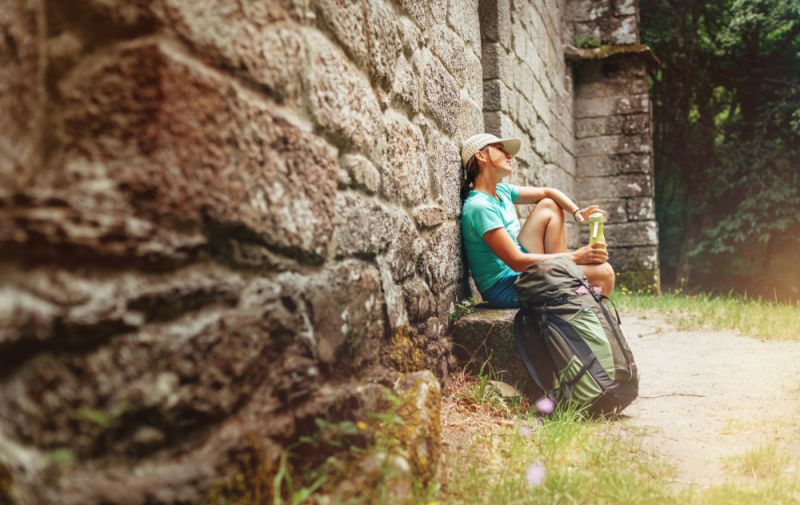
Many pilgrims opt for a BPA-free stainless steel bottle, which keeps water cooler in the Spanish heat and is easy to clean, while many people still prefer the good old–fashioned water bottle that often comes with a well-deserved water break (sit down).
Pacing Your Hydration on a Hot Trail
You are walking across the sun-baked Meseta with a long stretch ahead. The midday heat peaks as you approach a small village square. You spot a public stone fountain and check for the agua potable sign before refilling your stainless steel bottle.
Since you are sweating heavily, you take a quick break to consume an electrolyte gel. This simple routine restores your balance and prevents dehydration. We handle your daily bag transfers and hand-picked stays, so you can focus entirely on your physical performance and fluid intake.
While considering your gear, choosing the right shoes to wear while walking the Camino is equally important for staying comfortable over long distances.
3. Where can I fill up my bottle or pack?
Water bottles or packs can often be refilled in the hostels before you set out in the morning or in cafes/restaurants along the way.
While many business owners along the Camino de Santiago walk are more than accommodating to the needs of those taking part in the pilgrimage, it’s important not to take it for granted.
Asking a waiter or waitress to fill up five bottles of water while they are in the middle of the lunch rush might not necessarily go down very well.

4. Where can I buy water?
Water is readily available to purchase in almost every section of the Camino. You will find small shops in villages and enterprising locals with stalls by the side of the road, so it is difficult to name many stretches where you cannot buy water.
But that’s not to say you should assume. When you set out in the morning, it’s always worth having a quick look over the map for the day ahead to see how many villages or towns you will pass through and how frequently, then plan your water load accordingly.
Choosing Refill Stations Over Plastic Bottles
Where possible, choose to refill a reusable bottle at drinking fountains or water refill stations rather than purchasing disposable plastic bottles, one of the best Camino de Santiago tips that helps protect the trail’s natural environment.
5. Is the tap water drinkable?
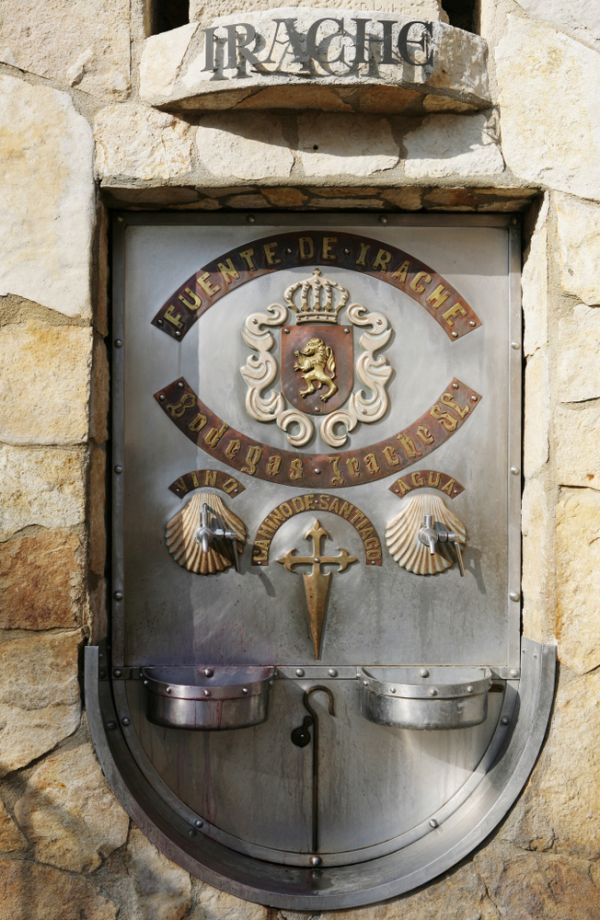
Yes, the water is drinkable all along the best Camino routes, and with sections receiving runoff from the mountains above, it’s also delicious spring water. In many towns and villages, they will have public fountains, usually in the main square, where walkers can fill their packs or bottles.
6. Can I drink from the streams and other water sources?
We’d recommend not drinking from any streams or water sources along the Camino trail that haven’t been specially labelled as drinking water. You are looking for the words ‘Agua Potable’, which means the water is safe for human consumption.
Reading Agua Potable and No Potable Signs
‘No Potable’ means the water is unsafe and you should give it a skip, even if the fountain looks clean.
7. Can you drink tap water in Santiago de Compostela?
Yes, tap water in Santiago de Compostela is safe to drink and delicious, sourced from clean, natural springs. You can confidently refill your bottles after completing the Camino de Santiago walk or while exploring the city during your pilgrimage to Spain.
8. What about salt or electrolytes?
Electrolytes are minerals that regulate nerve and muscle function, hydrate the body, and balance blood acidity. Proper electrolyte balance is critical when walking in hot temperatures or for long distances on the Camino de Santiago trail. Here’s what you need to know:
Spotting Electrolyte Imbalance
Look for symptoms like muscle cramps, excessive fatigue, numbness, confusion, and twitching. These can occur after prolonged exertion and sweating.
Replenishing Electrolytes and ORS
Electrolyte loss occurs in high temperatures or during intense exercise. While rare on the Camino walk, it’s better to be prepared.
Carry electrolyte gels or a pinch of table salt to restore balance quickly and prevent further dehydration. It’s also worth keeping oral rehydration salts (ORS) in your first-aid kit for emergencies, and continuing to drink water with your evening meal to prepare your body for the next day’s stage.
Pro Tip – A small electrolyte gel in your bag won’t weigh much, and you’ll be grateful if symptoms strike.
9. Consider what you are eating and drinking
Eating and drinking along the Camino is surely one of its highlights, but you may also want to keep a few things in mind, particularly on long, hot walking days.
A few beers at lunchtime sounds great, but it can leave you feeling dehydrated and sluggish in the afternoon. It’s no secret that alcohol dehydrates, and over some of the long stretches, it might be worth holding out until you reach your destination.
Food can also play a big part in dehydration. A salt-heavy meal can leave you panting for water after, which might be fine if you’re at home with your feet up, but if you’re in the middle of the barren Meseta under a baking August sun, things aren’t quite as straightforward.
That’s not to say that you need to be overly concerned with the food you eat, but it’s important to listen to your body and take care of it when it needs.

Plan Your Camino with Hydration in Mind
Hydration shapes how you feel on the Camino de Santiago, from your first steps out of town to the final approach to Santiago. A simple 3-step routine works well:
- Carry around 2 litres
- Sip regularly instead of waiting until you feel thirsty
- Top up with electrolytes on hotter days
With U Walk, you do not need to haul a heavy backpack on top of your water supply. We arrange hand-picked accommodation, daily luggage transfers, and expert support, so your daypack stays light and your walking day feels more manageable. Hydration planning becomes one more part of a calm, well-organised Camino.
Ready to plan your Camino? Talk to our team about routes, daily distances, and practical hydration tips so you feel prepared long before you lace up your boots.