As anybody who has walked either a section or all of the Camino de Santiago knows, reintegrating back into normal life can be jarring. Sometimes, you return home feeling like a changed person, only to be reminded that where you came from has remained exactly the same.
Life on the Camino can feel like a different world – a different existence entirely. There’s no work, no deadlines, no time to pick up the kids from whatever they’re doing on Tuesday evening. Life is simplified. You get up and walk from A to B, usually with a good lunch somewhere between, and then you do it again the following day. The simplicity and peace stand as a stark opposite to the chaos, stress, and anxiety that many feel on a daily basis.
For many, the Camino is a transformative experience. However, the true challenge often begins once the journey ends, as walkers return home and seek to integrate the lessons and insights gained into their everyday lives.
Carrying the Camino Spirit Forward
The essence of the Camino is simplicity, mindfulness, and a strong sense of community. People learn to appreciate the basic necessities of life—a warm bed, a good meal with a great view, and good friends along the way. It’s about finding joy in the rhythm of walking, nature’s beauty, and strangers’ kindness.
Returning to a life that may not include any of these can be a traumatic experience, but it’s important to try to carry the Camino spirit back with you and, if possible, keep it for the rest of your life. To do this, think carefully about your values, priorities, and lifestyle, both on and off the Camino, and establish what changes you want to bring back into your normal life.
Simplifying Life
One of the most important lessons from the Camino is realising how little one truly needs to be content. Carrying only the essentials in a backpack for a week, maybe even more, highlights the physical and mental clutter that weighs down daily life.
Integrating this simplicity involves a conscious effort to declutter and prioritise, focusing on what truly brings joy and fulfillment. This can mean anything from a minimalist approach to possessions to a streamlined daily routine that allows more time for reflection and connections. You don’t need to sell everything when you return but think carefully about what changes you can make.

Mindfulness and Presence
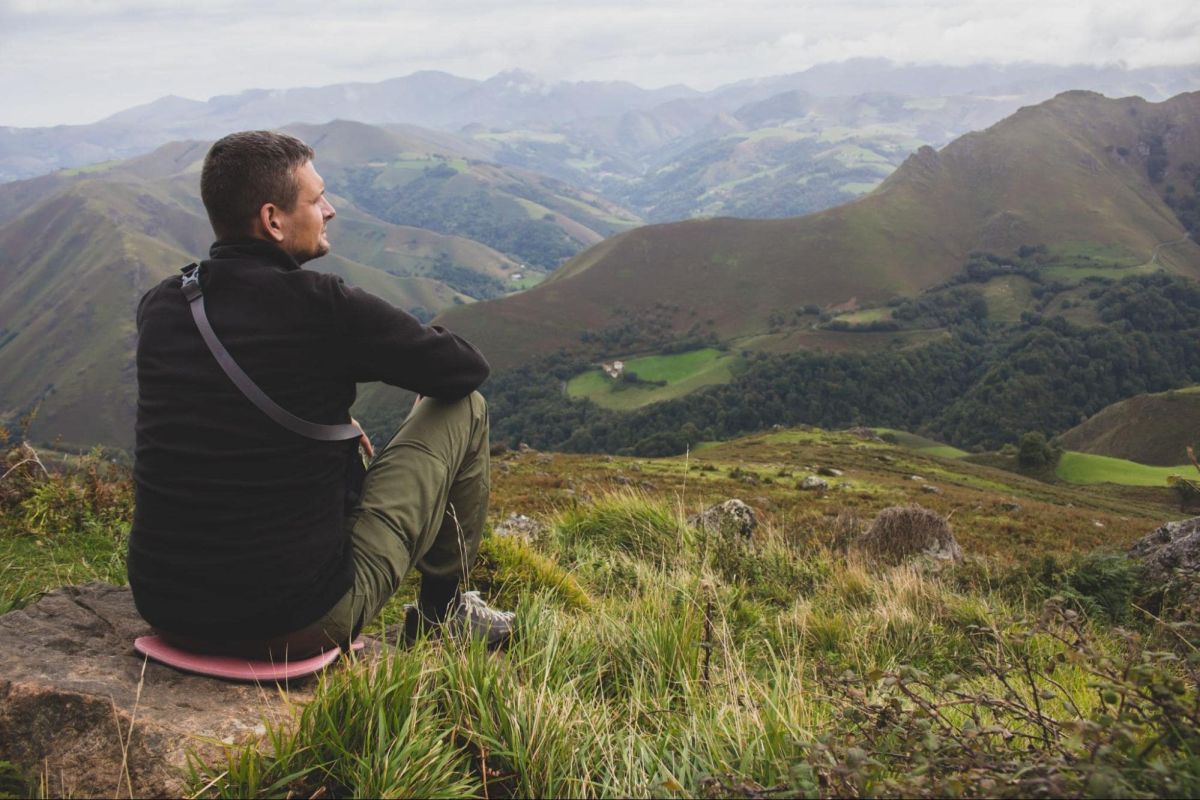
The Camino’s slow pace fosters an awareness of the present moment, encouraging walkers to savour every step, breath, and landscape – whether it be the mighty Pyrenees or the dusty rundown outskirts of a city.
This mindfulness, often lost in the hustle of routine life, can be cultivated through deliberate practices such as meditation, journaling, or simply taking daily walks without the distraction of technology. By setting aside time to be fully present, you can maintain the Camino’s sense of peace and centeredness in everyday life.
Fostering Community and Kindness
The camaraderie on the Camino is legendary, with shared meals, stories, and support creating a unique bond among walkers. This sense of community, often in stark contrast to the individualism we tend to see all around us, can be nurtured by seeking out and contributing to communal spaces and activities. Whether volunteering, joining local clubs, or simply engaging more deeply with friends and family, fostering connections and practicing kindness can help keep the Camino spirit alive.
One point people often remark about on the Camino is how quickly people open up. One minute you’re meeting somebody for the first time, and the second, you’re in deep over a glass of wine and pouring your heart out. The Camino will do that to you. For whatever reason, people feel they can open up quicker and more openly than back home, but is there any reason we can’t bring that back into our daily lives? Even with our closest family and friends, it’s easy to remain in the shallows and rely on superficial conversation. Use your Camino experience as a catalyst to be bolder; the result will often be relationships with significantly more depth.

Integrating the Camino’s Lessons
The Camino offers countless lessons, from the power of perseverance to the importance of listening to one’s own body and heart. Integrating these lessons requires reflection and a willingness to apply them to different aspects of life.
Embracing Change and Challenges
The Camino is a true testament to the human capacity to overcome physical and mental challenges. This resilience can be a source of strength in facing life’s inevitable difficulties. Embracing change, rather than fearing it, and viewing challenges as opportunities for growth can transform one’s approach to big and small obstacles.
Valuing Health and Well-being
Walking hundreds of kilometres emphasises the importance of physical well-being and the deep connection between mind and body. This awareness can translate into a more balanced lifestyle, prioritising health through regular exercise, nutritious eating, and sufficient rest.
Moreover, the Camino’s introspective and calming nature often highlights the need for mental and emotional care, encouraging practices that foster mental health and emotional resilience.
Living with Purpose
Many start the Camino with profound questions and leave with newfound clarity or even more questions that guide their personal growth. This search for meaning and purpose doesn’t end at Santiago de Compostela; it’s a lifelong journey. Living with purpose means aligning actions with personal values, setting intentional goals, and continually seeking growth and understanding.
Navigating the Post-Camino Transition
Returning to “normal” life after the Camino can be disorienting, often described as a “reverse culture shock.” The sudden absence of the daily walking routine, the loss of the walking community, and the reentry into a fast-paced society can lead to feelings of loss or disillusionment. Navigating this transition requires patience, self-compassion, and recognising that the Camino’s impact is a gradual unfolding process.
Staying Connected
Connecting with fellow walkers can provide support and a shared understanding of the post-Camino journey. Social media, reunions, and pilgrim associations offer platforms for staying in touch, sharing reflections, and even planning future walks together.
Sharing the Experience
Sharing the Camino experience through storytelling, writing, photography, or art can be a therapeutic way to process and integrate the journey. It helps make sense of the vast array of emotions and lessons and inspires and educates others about the pilgrimage.
Setting New Pilgrimages
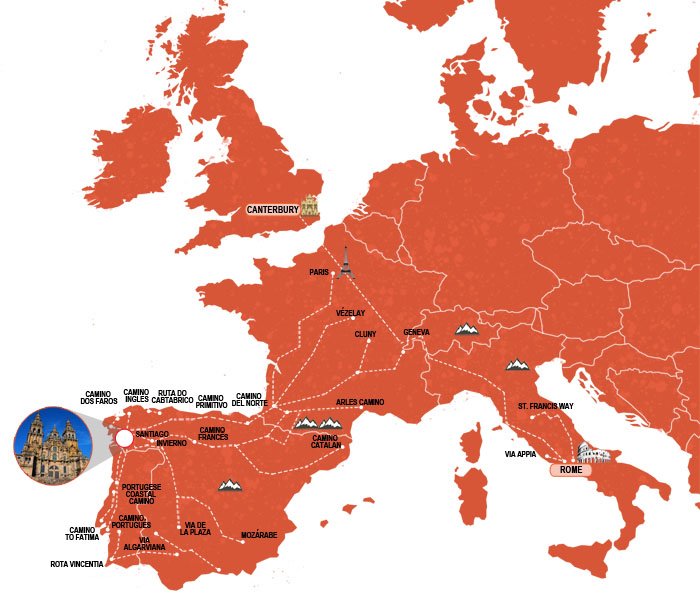
For many, the Camino ignites a passion for walking, leading to exploring other journeys and walks around the world. Setting new goals and planning future pilgrimages can keep the wanderlust and spiritual quest alive, offering fresh perspectives and challenges.
Conclusion
Integrating the Camino experience into everyday life is no easy feat. It is a personal and ongoing process that requires mindfulness, intention, and the courage to apply the Camino’s lessons to daily living. Yet the consequences of doing so can be profound. Too often, people return from Spain filled with ideas and changes, and yet they quickly disappear.
By simplifying life, fostering community, embracing challenges, and living with purpose, you can carry the essence of the Camino with you long after you return home. The Camino de Santiago has the power to change your life, but first, you must navigate the tricky homecoming.